
If Jamaat takes power, where do we singers go, asks Rajib

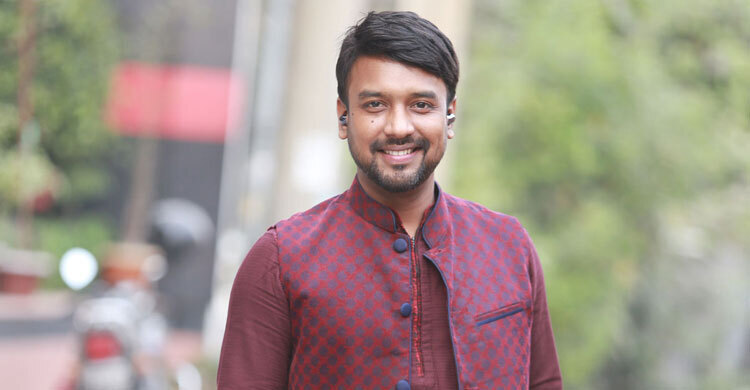
When the beat drops, politics can’t stay quiet and Bangladeshi music star Close-up Star Mizan Mahmud Rajib just turned up the volume in a national debate that’s hitting all the right (and wrong) notes.
In a bold Facebook status that’s gone viral faster than a chart-topping remix, Rajib asked a question echoing through concert halls, studios, and prayer rooms alike: "If Jamaat-e-Islami comes to power in the next election… what will we, the people of music, do?"
The post, shared Monday afternoon, isn’t just a rhetorical jab – it’s the crescendo of a heated national argument sparked by a controversial comment from Islamic orator Mizanur Rahman Azhari, who recently slammed the government’s decision to appoint dedicated music teachers in primary schools.
Azhari called the move “unreasonable and against public opinion,” lamenting that while the country remains majority-Muslim, there are still no specialized Islamic studies teachers at the primary level — but now, music gets its own job posts? “This is very painful,” he wrote. “We want to see the faith and religious values of children protected.”
Enter Rajib – part rockstar, part cultural warrior.
On September 6, he fired back: “In developed Muslim countries like Turkey, Malaysia, Indonesia, Dubai, and Qatar, music is taught to children alongside religion. Nowhere is music treated as the enemy of faith. Art and melody are essential for a child’s mental and emotional growth. So please nurture your child’s mind, not just their prayer mat.”
Now, with his latest update, Rajib has escalated the tune from harmony to protest anthem.
“What happens to us artists? Will we have to hide our instruments? Will music be banned? Is creativity now a crime?” he questioned, his words striking a chord with thousands of fans, musicians, and educators who see the arts as vital to national identity.
The controversy stems from a recent policy shift: the government has now created separate posts for music and physical education teachers in primary schools ending the era where one teacher juggled Quran, math, and tabla lessons.
Supporters say it’s progress a recognition that music is education, not entertainment. Critics say it’s misplaced priorities in a religious society.
But Rajib isn’t backing down. “Religion teaches us to pray. Music teaches us to feel. Can’t we have both?”
As the 2026 elections loom and ideological lines blur, one thing’s clear: This isn’t just about school curriculums.
It’s about what kind of Bangladesh we want to hear – a nation humming with creativity, or one marching in silence?
Cue the debate. The mic is still hot.