
Quality jute seed Production key to self-reliant farmers

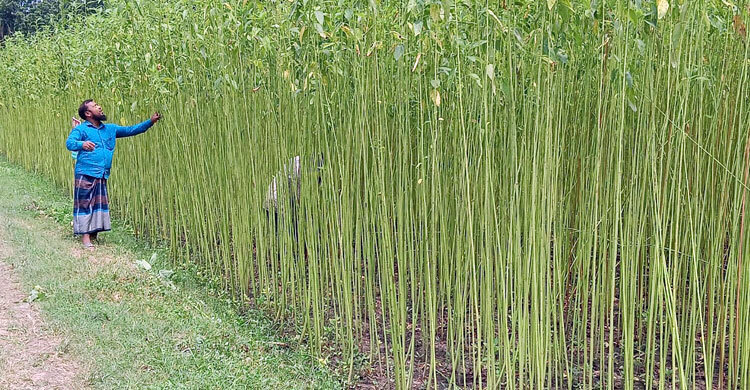
Jute, the “golden fiber” of Bangladesh, remains central to the country’s history, culture, and economy. Once called the “cash crop of Bengal,” it continues to sustain millions of rural livelihoods while contributing to foreign exchange earnings. With growing global demand for eco-friendly products, jute is regaining importance. Yet, the sector faces a critical challenge: a shortage of quality seed.
Seed Shortage in Jute Cultivation
Bangladesh needs 6,000–7,000 metric tonnes of jute seed annually to cover nearly 0.8 million hectares. However, local production meets only 15–20% of this demand. In the 2023–24 fiscal year, demand was 6,369 tonnes, but the Bangladesh Agricultural Development Corporation (BADC) could supply only 1,300 tonnes. The remaining 5,200 tonnes had to be imported, costing Tk 190–195 crore. Dependence on imports exposes farmers to delayed delivery, uncertain quality, and high costs. Uncertified seeds often have poor germination and low vigor, reducing yield and income, directly affecting rural livelihoods.
BJRI and Research Efforts
The Bangladesh Jute Research Institute (BJRI) has developed high-yielding, disease-resistant, and stress-tolerant jute varieties for different agro-climatic zones. BJRI produces breeder and foundation seeds, which are multiplied by BADC and certified growers. Field demonstrations and extension activities promote the use of quality seed. However, variety development alone cannot solve the crisis; a sustainable seed production and distribution system is essential.
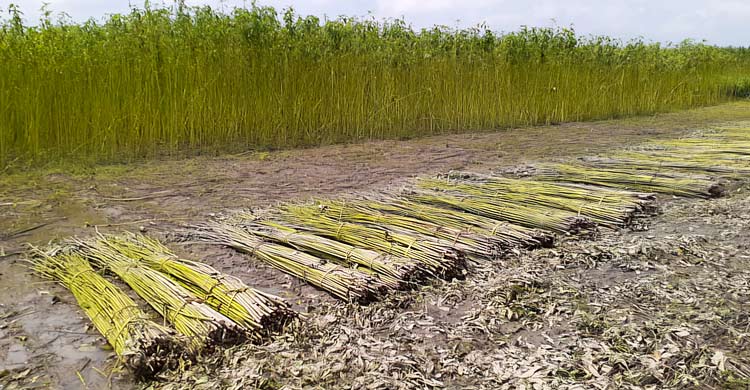
Empowering Farmers Through Seed Self-Reliance
Farmers can produce and preserve their own seed through proper training in selection, drying, storage, and preservation. Self-reliant farmers benefit from:
• Reliable access to quality seed at the right time.
• Reduced dependency on imports.
• Lower costs through local availability.
• Extra income by selling surplus seed to neighbours.
Village-level seed production can evolve into community-based seed systems, creating rural seed enterprises that involve women and youth.
Government Initiatives and Future Outlook
The government has expanded BADC’s seed production, organized training programs, and encouraged public–private partnerships. Still, greater farmer participation and awareness are needed. Bridging the seed gap through combined institutional and farmer-led efforts could save hundreds of crore taka annually. Improved seed quality would increase yield, enhance fiber quality, and strengthen jute exports, aligning with national goals of agricultural sustainability and rural empowerment.
Reviving the Golden Fiber
Jute’s story is inseparable from Bangladesh’s story. By focusing on quality seed production and self-reliant farmers, the country can overcome the seed crisis, empower farmers, safeguard rural livelihoods, and restore its global reputation as the home of the finest jute.
Writer: Naima Tasnime, Scientific Officer, Bangladesh Jute Research Institute