
Nepal Gen Z protesters return to streets, seek Karki's resignation

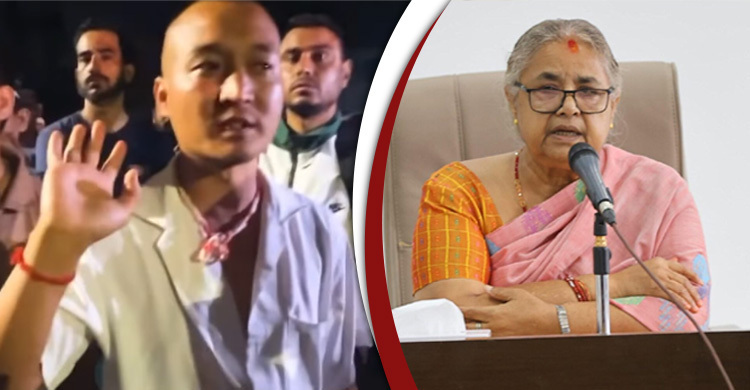
Nepal’s Gen Z-led protest movement has returned to the streets, demanding the resignation of interim Prime Minister Sushila Karki, following her unilateral appointment of key ministers without consulting protest leaders.
On Sunday night (September 14), demonstrators led by Sudan Gurung — a prominent figure in the youth-led Zen G movement — gathered outside the Prime Minister’s residence in Baluwatar, chanting slogans and vowing to escalate their agitation.
The protesters accuse Karki of ignoring their demands in forming her new cabinet. “No consultation was held with us,” Gurung declared. “If we take to the streets again, no one can stop us. We will uproot them from wherever they’ve settled.”
Gurung was accompanied by families of those killed or injured during last week’s violent protests — a poignant reminder of the human cost of the ongoing unrest.
Among the controversial appointments is lawyer Om Prakash Aryal, named Minister for Home and Law. Protesters allege Aryal is maneuvering himself into power from behind the scenes. Aryal, known for filing a landmark Supreme Court writ against Lokman Singh Karki’s appointment as head of the Anti-Corruption Commission, has long been active in public interest litigation and currently serves as legal advisor to Kathmandu Metropolitan City.
Also appointed were Rameshwar Khanal as Finance Minister — a former Finance Secretary and chair of the Economic Reforms Commission under the previous Oli government — and Kulman Ghising as Energy Minister. Ghising, widely respected for ending Nepal’s crippling power cuts during his tenure as Managing Director of Nepal Electricity Authority, was controversially replaced by the Oli administration, sparking public outrage.
Sources close to the Prime Minister’s Office confirmed that Karki held individual phone conversations with the appointees before summoning them to her office for final discussions. Earlier, she had named senior advocate Savita Bhandari as Attorney General.
Cabinet formation talks began Sunday morning, with reports indicating a lean cabinet of 11 to 15 members — likely requiring ministers to oversee multiple portfolios.
The current wave of protests began on September 8, when Nepali youth flooded the streets to denounce government corruption, repression, and the banning of social media platforms. Security forces responded with water cannons, tear gas, rubber bullets — and in some cases, live ammunition. Curfews were imposed across major cities.
Undeterred, protesters returned the following day. Under mounting pressure, then-Prime Minister KP Sharma Oli resigned. That day also saw violent reprisals: protesters torched homes of political leaders and government buildings. To date, at least 71 people have died in the unrest.
In response to public pressure and after consultations with President Ramchandra Poudel and major political parties, former Supreme Court Justice Sushila Karki was sworn in on September 12 as Nepal’s first female head of government — an interim appointment intended to stabilize the country.
But with Gen Z protesters now rejecting her cabinet choices, Karki’s administration faces its first major crisis — and the streets of Kathmandu may once again become the battleground for Nepal’s political future.