
Business, commerce still stagnant under interim govt

Six months after the interim government assumed power following the ousting of former Prime Minister Sheikh Hasina in a mass uprising, businessmen express disappointment over the lack of progress in revitalising the country's business and commerce sectors.
Despite high hopes for rapid improvements, many say the situation has either stagnated or worsened.
Key challenges facing businesses
Stagnant credit growth
The investment climate remains bleak, with credit growth in the private sector reaching only 7.66% in the first six months (July–December) of the current fiscal year (2024–25). This falls significantly short of the targeted 9.8%, marking the lowest rate in the past three and a half years.
According to Bangladesh Bank data, foreign direct investment (FDI) has also deteriorated, with net FDI plunging by 71% compared to the same period last year. In the first quarter of the fiscal year (July–September), just $104.3 million in FDI flowed into the country.
Decline in imports
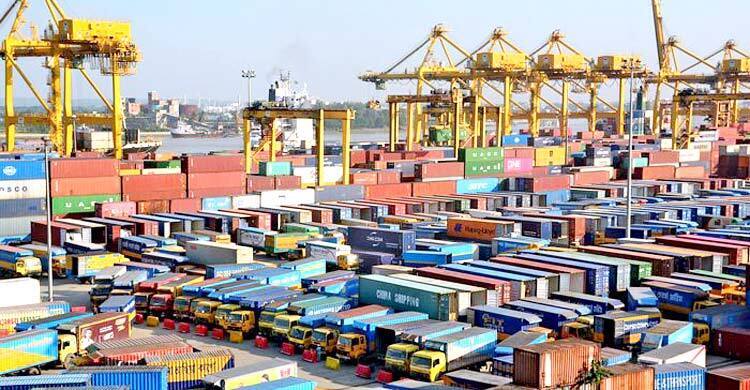
Imports have dropped by approximately 30% over the last six months due to the rising dollar value and limited access to letters of credit (LCs). New LC openings and settlements remain sluggish, exacerbating supply chain disruptions for import-dependent businesses.
High inflation and rising costs
Business leaders criticise the interim government’s decision to impose value-added tax (VAT) and supplementary duties on hundreds of products, which they argue has inflated living costs and reduced consumer purchasing power. Consequently, sales of goods have declined, further straining businesses. Additionally, energy price hikes and customs duty burdens have added pressure to operational expenses.
Law and order issues
Many entrepreneurs cite worsening law and order as a significant obstacle to recovery. Factories reliant on exports and production suffered heavily during the initial months of political transition, leading to substantial losses and factory closures. The disruption in gas supplies and escalating energy costs have compounded these challenges.
Voices from the business community
Former President of the International Business Forum of Bangladesh (IBFB) and CEO of Energypac Power Generation Limited, Humayun Rashid, expressed concern over the absence of measures to support investors. "The new government has failed to provide relief or protection to domestic and foreign investors," he remarked. "Reforms were expected to accelerate, but instead, the pace remains slow."
He highlighted two critical issues – credit crunch and Unemployment. "No one can conduct business properly, let alone make new investments. And new employment opportunities for Gen-Z are not being created," he said.
Rashid also criticised the rise in commodity prices and bank loan interest rates, saying that these factors have diminished business competitiveness and suppressed demand. "There was no consultation with the business community before imposing additional customs duties," he lamented, adding that overall confidence among entrepreneurs is low.
Asif Ibrahim, former President of the Dhaka Chamber of Commerce and Industry (DCCI), acknowledged the difficulties inherited by the interim government. "When the political landscape changes, there is always an initial impact on trade and business," he explained.
However, he noted that law and order deterioration severely affected operations in the first three months, resulting in significant production losses and factory closures.
Ibrahim pointed out additional hurdles such as depreciation of the taka against the dollar that led to importers struggling to issue LCs, causing financial strain.
He also pointed to energy supply disruptions as shortages disrupts industrial activities.
While acknowledging the government's intentions, Ibrahim emphasised the need for collective effort. "We must collaborate to overcome these challenges," he urged.
TVS Auto Bangladesh CEO Biplob Kumar Roy echoed widespread dissatisfaction, noting that reforms promised to boost the business environment have yet to materialise. "Expectations were high, but nothing substantial has been done so far," he said. He specifically mentioned ongoing instability in the dollar exchange rate and banks' inability to facilitate LC issuance, hindering imports.
President of the National Small and Cottage Industries Association of Bangladesh (NASCIB), Mirza Nurul Ghani, voiced concerns about small and medium enterprises (SMEs). "Small entrepreneurs cannot secure loans; interest rates have soared to 16–17%, making borrowing unaffordable," he said.
About 40% of SMEs continue to operate below capacity or remain closed altogether, leaving workers unemployed.
Ghani warned of dire consequences if this sector is neglected: "If we don't address the needs of small and cottage industries, their contribution to the national economy will dwindle to zero. These industries require immediate attention to survive."