
Farooki for mandatory mental health check-up for future heads of govt

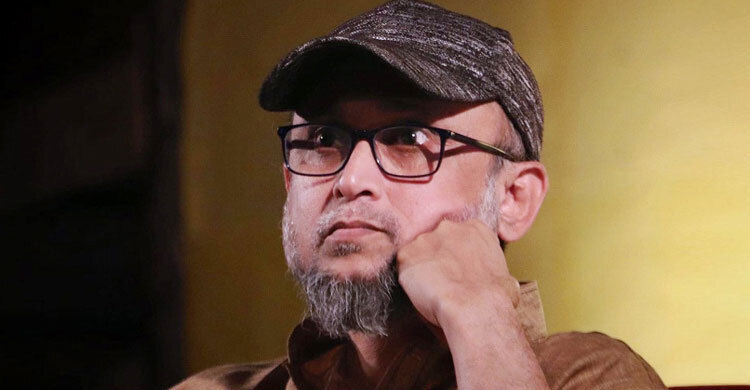
Cultural Affairs Adviser Mostofa Sarwar Farooki has called for mandatory mental health evaluations for the future heads of the government, citing concerns over decision-making during national crises.
Farooki, also a filmmaker, made the striking suggestion in a Facebook post on Tuesday, reacting to the release of the documentary on Pilkhana carnage “Thirty-Six Hours of Betrayal”, which revisits the harrowing events of the 2009 BDR (now BGB) massacre at the Pilkhana headquarters in Dhaka.
“I rewatched the documentary today,” Farooi wrote. “When I heard Hasina’s conversation with General Shakeel at the beginning, my blood ran cold. What greater betrayal could there be? They claimed RAB was being sent, helicopters were on the way, but instead, they left 57 loyal officers to be slaughtered. Was this deception driven by a deep-seated, pathological hatred for the army? After seeing this, I truly believe: mental health screening should be mandatory for anyone who will one day lead this country.”
The comment has ignited a firestorm across social media, with supporters applauding Farooki for raising uncomfortable truths about leadership psychology, while critics accuse him of crossing political and ethical lines.
Released on Monday, September 1, “Thirty-Six Hours of Betrayal” is part of a new series of documentaries commissioned by the Ministry of Cultural Affairs on the dark chapters of Bangladesh’s past, including the July Uprising and the era of authoritarian rule.
The film compiles chilling eyewitness accounts, archival footage, and photographs from the February 25-26, 2009 mutiny, during which over 70 people, including 57 army officers, were brutally killed by rebellious border guards.
Featured voices include: Lt Col (Retd) Shamsuzzaman Khan, former RAB-2 commander; Capt (Retd) Dr Khan Subael Bin Rafiq, investigation coordinator; Capt (Retd) Rezaul Karim Reza, former RAB officer.
Their testimonies paint a harrowing picture of institutional failure, delayed response, and alleged political indifference during one of the darkest episodes in Bangladesh’s military history.