
India cuts duty on US cotton imports, following Bangladesh’s lead

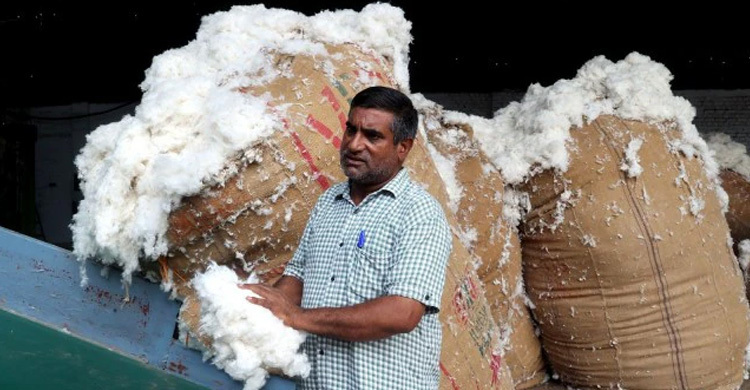
India has moved to slash import duties on cotton from the United States, mirroring a similar concession previously granted by Bangladesh, in a bid to ease trade tensions and strengthen bilateral negotiations with Washington.
The Indian government announced the removal of a 5% tariff on US cotton imports last Monday (August 8), a decision aimed at supporting the domestic textile industry, which has been significantly affected by retaliatory tariffs imposed by the Trump administration.
The duty waiver will remain in effect for a limited period, until September 7, and is seen as a strategic step to foster goodwill ahead of potential trade talks with the United States.
Textile sector under pressure
The textile industry, one of India’s largest employment generators, has faced mounting challenges due to high cotton prices and US trade barriers. Officials say the temporary duty reduction will help mitigate losses in the sector and signal India’s willingness to engage constructively on trade matters.
An official from India’s industrial sector stated that the primary objective of the move is twofold: to address domestic industry concerns over rising cotton prices and to demonstrate India’s openness to discussing increased cotton imports from the US.
“This is not just about cost—it’s a diplomatic signal,” the official added. “We want the US to know we are serious about improving trade relations.”
Bangladesh sets precedent
The decision follows a similar concession by Bangladesh, which recently granted preferential access to its textile exports to the US market. Analysts suggest that India’s move is partly driven by fears of losing competitive ground in the global textile trade.
According to The Indian Express, industry stakeholders urged the government on August 8 to reduce tariffs on American cotton to facilitate smoother trade negotiations. With the US being India’s second-largest cotton supplier, the waiver is expected to benefit American exporters significantly.
Limited timeframe, immediate impact
The Global Trade Research Initiative (GTRI), a New Delhi-based research firm, noted that India imported approximately $120 million worth of cotton from the US in 2021, primarily consisting of high-quality, long-staple varieties (20 mm and above).
While India already allows 1,000 tonnes of duty-free cotton under its economic cooperation agreement with Australia, the new waiver positions the United States as the biggest beneficiary of this temporary policy shift.
However, exporters caution that the short duration of the waiver, just under a month, means it will only impact ongoing import invoices, not future orders.
“This is too brief to influence new procurement plans,” said a senior textile exporter. “If the government wants to make a real difference, it must extend the period.”
Industry players have called for an extension, warning that without sustained access to affordable raw materials, India may struggle to retain its foothold in key markets like the UK and the European Union – let alone compete with the US.
Rising competition from Bangladesh and Vietnam
India’s textile sector now faces growing competition from regional rivals. According to an analysis by the Confederation of Indian Textile Industry (CITI), US imports of textiles and clothing from Bangladesh and Vietnam surged in June 2021 by 5.7% and 26.7% respectively outpacing India’s modest 5.7% growth in the same period.
India’s cotton-based textile industry directly supports around 3.5 million jobs and accounts for roughly 5% of the country’s total textile exports. The government has set an ambitious target to boost textile exports by $1 billion by 2025, but rising global competition and trade barriers remain major obstacles.
No threat to Indian farmers
Officials have stressed that the temporary duty cut will not harm domestic farmers, as the new cotton harvest season begins in October, with supplies reaching markets by March – well after the waiver expires.
“This timing ensures that Indian growers are not undercut,” said a government representative. “We are balancing industry needs with farmer protection.”
A strategic move in trade diplomacy
While the immediate economic impact may be limited, the gesture carries significant diplomatic weight. By aligning with Bangladesh’s earlier move, India is positioning itself as a cooperative partner in global trade – especially as both nations navigate complex relationships with major Western markets.
Whether this short-term concession will lead to a broader trade agreement with the US remains to be seen. But for now, it marks a clear attempt by India to reignite dialogue, support its ailing textile sector, and stay competitive in a fast-changing global market.