
What Indo-Bangla extradition deal says, where loopholes lie

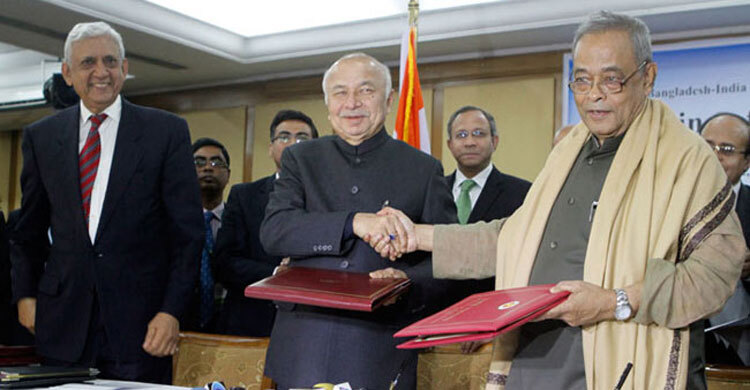
Bangladesh’s request to India for the extradition of Sheikh Hasina and former Home Minister Asaduzzaman Khan has brought renewed attention to the 2013 extradition treaty between the two neighbours.
While the agreement was designed to prevent criminals from finding safe haven across borders, several clauses may complicate Dhaka’s demand – especially in cases seen as politically sensitive.
One of the most significant provisions in the treaty allows India to refuse extradition if the charges are deemed “political in nature”. This clause exists in many global extradition frameworks to ensure judicial fairness in politically volatile environments.
However, the treaty also specifies a long list of offences that cannot be classified as political – including murder, disappearance, genocide, terrorism, involuntary manslaughter, and bomb attacks.
Since the charges against Sheikh Hasina include murder, enforced disappearance, torture and crimes against humanity, it would be difficult to dismiss them as purely political based on written definitions.
The agreement was amended in 2016 to streamline extradition. Under Article 10(3), the requesting state no longer needs to present supporting evidence when seeking extradition.
An arrest warrant issued by a competent court is considered sufficient grounds to file a request.
Multiple warrants exist against Sheikh Hasina in Bangladesh, meaning this requirement is technically met.
Despite the stronger procedural framework, the treaty includes safeguards under which extradition may be refused:
If the requested person faces ongoing prosecution or a criminal case in the sheltering state.
If the requested state believes the case was not initiated in good faith, or is not “in the interest of justice”.
If the offences fall under military law rather than civilian criminal law.
The most consequential safeguard is the good-faith assessment. India may argue that the proceedings are politically driven, rushed, or lack guarantees of a fair trial.
The extradition framework was signed in 2013 when both countries faced cross-border militant activity. New Delhi sought cooperation after reports that insurgent groups had taken refuge in Bangladesh’s border districts, while Dhaka believed members of extremist organisations were operating from India.
The agreement aimed to prevent politically motivated sheltering, strengthen counterterrorism cooperation and close operational gaps along the porous border.
Sheikh Hasina fled Bangladesh after her government collapsed during mass protests in August 2024. She has remained in India since then.
Following her conviction by Bangladesh’s International Crimes Tribunal, Dhaka formally invoked the treaty to request her extradition.
Whether India will comply – or invoke the political-exception clause – now depends on legal interpretation, diplomatic calculations and regional stability concerns.