Iran raises petrol prices for first time since 2019
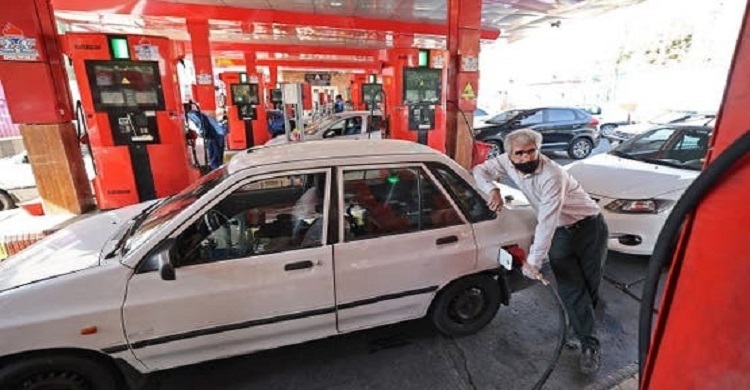
Iran on Saturday introduced a new, higher pricing tier for its heavily subsidized petrol, marking the first such increase since a 2019 hike triggered nationwide protests and a deadly security crackdown.
Petrol has long been considered a social entitlement in Iran, but the government is under growing pressure from a weakening rial, high inflation and international sanctions linked to its nuclear program. Despite these strains, officials appear cautious, seeking to avoid public anger after months of economic hardship and a recent brief war with Israel.
Under the revised system, motorists will continue to receive 60 liters per month at the lowest subsidized rate of 15,000 rials per liter, with the next 100 liters priced at 30,000 rials. Fuel purchased beyond that quota will now cost 50,000 rials per liter. Even at the new rate, Iranian gasoline remains among the cheapest globally.
At gas stations in Tehran, there were no immediate signs of unrest, though some police presence was visible. Many drivers expressed frustration but resignation, saying the government made decisions without public consent.
Iran’s vast fuel subsidies place a heavy burden on state finances. The International Energy Agency previously ranked Iran as the world’s second-largest energy subsidizer, estimating oil subsidies at $52 billion in 2022 alone. Economists argue repeated price hikes have failed to resolve budget deficits and instead fueled inflation, currently hovering around 40%.
The move revives memories of 2019, when abrupt fuel price increases sparked protests in more than 100 cities. Amnesty International says at least 321 people were killed in the subsequent crackdown.
Officials describe the new tier as a step toward curbing excessive fuel consumption and have signaled that prices may be reviewed every three months, raising concerns that further increases could follow.
Source: AP/UNB