
Antibiotics losing fight: 46,000 BMU samples show rising drug resistance

Bangladesh Medical University (BMU) has raised alarm over the increasing ineffectiveness of antibiotics in the country.
Analysis of 46,279 patient samples by the Department of Microbiology and Immunology over the past year revealed significant resistance to commonly used antibiotics, including ciprofloxacin, amoxicillin, ceftriaxone, gentamicin, meropenem, and tigecycline.
Experts warn that this trend is prolonging infections, increasing medical complications, and raising the risk of death.
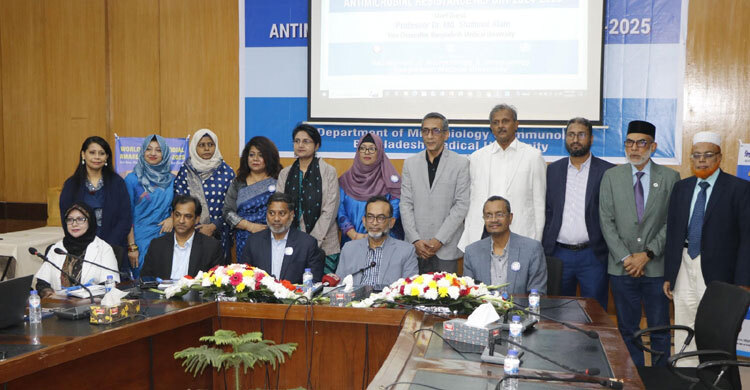
The findings were presented at the Antimicrobial Resistance (AMR) Report 2024-25 release ceremony held on Monday, December 8, at BMU during World Antimicrobial Awareness Week 2025, themed “Take action now, protect our present, secure our future.”
BMU Vice Chancellor, Professor Dr Md Shahinul Alam, chaired the event.
Professor Dr Abu Naser Ibne Sattar, head of the Department of Microbiology and Immunology, presided over the programme. In a video message, Special Assistant to the Chief Adviser, Professor Dr Md Sayedur Rahman, cautioned that in the next 10-15 years, humanity may face a crisis where medicines exist but fail to work against bacteria.
According to the report, 24 per cent of the analysed samples were culture positive.
E coli was most frequently detected in urine, while Salmonella Typhi predominated in blood samples. Ciprofloxacin resistance was highest in Salmonella Typhi, though resistance to chloramphenicol and trimethoprim-sulfamethoxazole remained relatively low.
While meropenem and tigecycline are still effective against E. coli, resistance to ceftriaxone, gentamicin, and carbapenems has surged in Klebsiella and Acinetobacter species. Conventional antibiotics are now largely ineffective against Acinetobacter, with resistance even emerging against last-resort drugs.
Fungal infections are also showing increasing drug resistance, with Candida tropicalis and Candida albicans prevalent in ICU patients and notable fluconazole resistance observed.
Vice Chancellor Dr Shahinul Alam emphasised, “Universities must lead efforts to combat AMR and seek solutions to problems that currently have none.”
Pro-VC Professor Dr. Abul Kalam Azad warned, “If we do not act now, antimicrobial resistance will worsen, complicating treatment further.”
Professor Dr Abu Naser Ibne Sattar highlighted the causes of drug resistance: unnecessary antibiotic use, incomplete doses, and overuse in livestock. “Preventive measures such as handwashing, vaccination, and cleanliness are crucial in controlling AMR,” he said.
The report was prepared with the contribution of faculty, MD residents, and lab technologists of the Microbiology Department. Awards were also given to winners of an AMR poster presentation held during the event.
The rising threat of antimicrobial resistance highlighted by BMU serves as a stark warning for Bangladesh’s health system: without urgent action, future treatments may become increasingly ineffective and complicated.