
ESDO study finds dangerous levels of heavy metals in tea bags


Dangerous levels of heavy metals have been detected in tea bags sold in the Bangladeshi market, according to the Environment and Social Development Organization (ESDO).
The findings were revealed in ESDO’s research report titled “Brewing Toxins: Unveiling the Risk of Hazardous Heavy Metals in Tea Bags and Tea Leaves.” The study found that the concentration of toxic heavy metals in tea bags available in Bangladesh exceeds safe limits. Since most people in the country consume tea several times a day, this poses a serious public health risk.
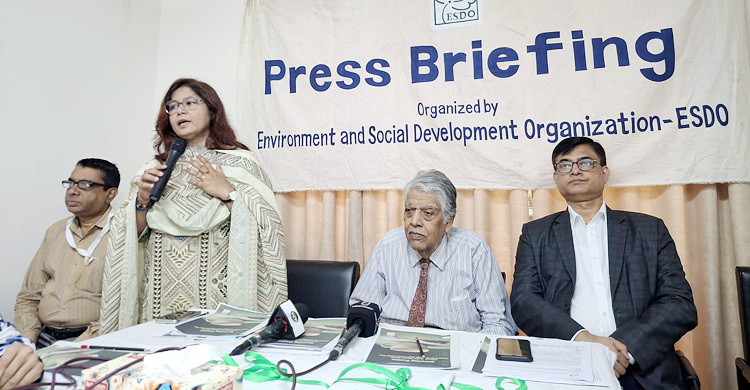
The report was disclosed at a press conference held on Thursday (September 18) at ESDO’s head office in Mohammadpur, Dhaka.
Researchers tested 13 samples (12 tea bags and one loose tea leaf sample) collected from the local market. Results showed that tea bag packaging contained alarmingly high levels of heavy metals. Tests detected chromium up to 1,690 ppm (safe limit: 5 ppm), lead up to 51 ppm (limit: 5 ppm), mercury up to 108 ppm (limit: 0.3 ppm), and arsenic up to 14 ppm (limit: 2 ppm).
Such concentrations pose severe health risks for regular tea drinkers, the study warned.
Expressing concern, ESDO Chairman Syed Marghub Murshed said, “This is a grave violation of consumer rights. We urge the authorities to take immediate action.”
After separating the tea dust from the bags, researchers also detected the heavy metal antimony (up to 154 ppm), along with trace amounts of uranium and thorium. On a positive note, the tea dust itself contained beneficial nutrients such as iron, manganese, copper, zinc, and cobalt—elements important for maintaining good health.
Alongside laboratory testing, ESDO conducted a nationwide survey of 3,571 people to assess tea consumption habits and awareness. The survey revealed that 55% of respondents drink 2–3 cups of tea daily, while 27% consume four or more cups. However, only 1% were aware that tea bags may contain heavy metals.
ESDO Senior Technical Adviser Dr. Shahriar Hossain said, “This study marks an important first step in preventing toxic heavy metals from entering our food chain. Our goal is not to blame, but to work together to ensure safe food.”
Executive Director Siddika Sultana added, “If we fail to ensure the safety of tea, it will not only create physical health risks but also cause psychological stress. We are committed to working with all stakeholders to address this issue collectively.”
The research was conducted in two stages: a consumer survey to gauge public awareness, and laboratory testing using X-ray fluorescence technology to measure heavy metal levels.