
NBR set for revamp, digitalisation with Tk 1,000cr WB loan

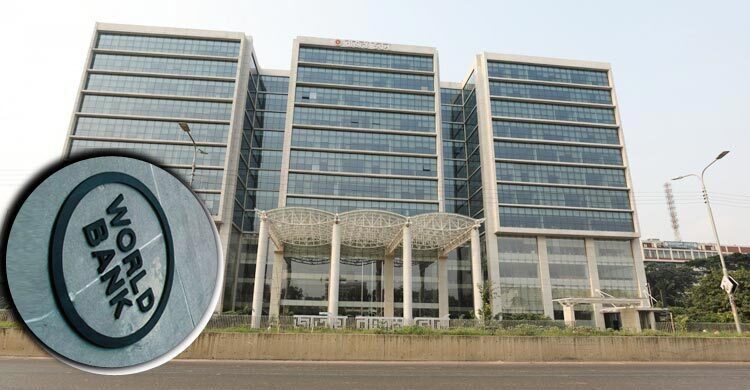
The National Board of Revenue (NBR), Bangladesh’s primary revenue-collecting agency, is set to undergo a massive transformation aimed at enhancing service delivery, increasing domestic revenue collection, and reducing public suffering.
A comprehensive plan has been initiated to digitalise the NBR, enabling citizens to access 100% of its services from home. This initiative is part of the government’s broader efforts to modernize the organization and improve efficiency.
Project overview and funding
The revamp will be executed under a technical assistance project titled ‘Strengthening Domestic Revenue Mobilisation Project’, with an estimated total cost of Tk 1,190 crore. Of this, Tk 190 crore will come from the government, while the remaining Tk 1,000 crore will be provided as a loan by the World Bank (WB).
The NBR has already submitted the project proposal to the Planning Commission for approval.
Speaking to Jago News, Md Abdur Rouf, Head of the Socio-Economic Infrastructure Department (Additional Secretary) at the Planning Commission, confirmed that a proposal to increase the NBR’s capacity using the WB loan has been received.
"A meeting was held to discuss the overall issues of the project. We have raised some queries with the NBR, which they are yet to address. Once resolved, another meeting will be held soon. After that, it will be presented to the ECNEC (Executive Committee of the National Economic Council) for final approval," Rouf explained.
Key objectives of the project
The project aims to digitalise the NBR and enhance its operational efficiency through several key initiatives:
- Process Automation: Simplification and full automation of existing systems like e-TIN, e-return, e-tax, and e-TDS, alongside new methods for e-Audit, e-Tax Office, e-Tax World, e-Support, and e-Connect. These systems will ensure mutual interoperability.
- Capacity Building: Training programmes, change management plans, and strengthening analytical and policy analysis capabilities to empower NBR officials.
- Modernisation of VAT and Customs Systems: Establishment of a SAD Competency Centre to modernise VAT administration and fully develop the Integrated VAT Administration System and related IT infrastructure.
Additionally, customs processes will be modernised, and a unique identification number system will be implemented for both income tax and VAT.
- Research and Statistics Unit: Creation of a robust research and statistics unit to support data-driven decision-making.
- E-Learning Platform: Development of a modern e-learning platform for NBR personnel and other stakeholders.
- Automated Call Centre: Introduction of an automated call centre to assist taxpayers.
Expected benefits
Once implemented, the project will revolutionise how citizens interact with the NBR. A senior NBR official, speaking anonymously to Jago News, outlined the anticipated outcomes: "All NBR services will be made easier so people can access them 100% from home. This is a big step toward ensuring convenience for service recipients. For example, future audits will no longer be manual; everything will be machine-based. Similarly, all returns will be filed online."
The official added that the project would not only reduce public hardship but also significantly boost revenue collection.
"If we run the state, we need revenue. That's why revenue collection must increase further. With this project, no one will need to visit NBR offices to get services – everything will be available online," he said.
Current status and next steps
The project proposal has already been sent to the Planning Commission, where initial discussions have taken place. A PEC (Project Evaluation Committee) meeting is expected to be held soon to evaluate the proposal further. If approved, the project will proceed to the ECNEC for final clearance.
A leap toward digital governance
This ambitious initiative underscores the government’s commitment to leveraging technology for better governance and economic growth. By transforming the NBR into a fully digitized and efficient institution, the project aims to eliminate bureaucratic inefficiencies, reduce corruption, and enhance taxpayer satisfaction.