
Budget 2025-26: Products with potential price reductions

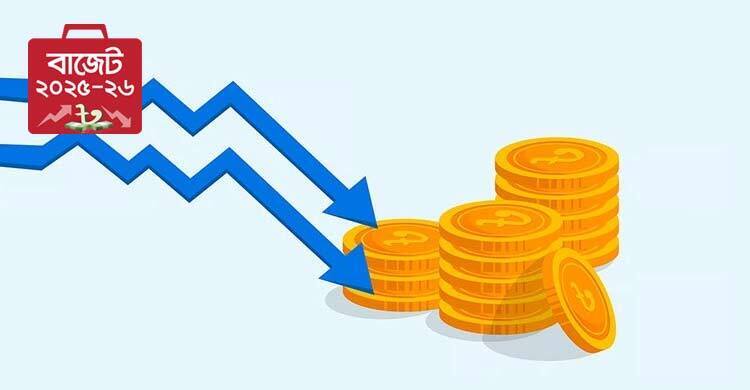
Finance Adviser Dr Salehuddin Ahmed presented a proposed budget of Tk 7,90,000 crore for the 2025-26 fiscal year on Monday, June 2, 2025, at 3 PM, broadcast on Bangladesh Television.
As the 54th national budget and the first under the interim government led by Dr Muhammad Yunus, it prioritises inflation control while fostering an equitable and sustainable economy.
The budget includes duty reductions and VAT exemptions on various products and services, potentially lowering their prices, though some products may see price increases due to higher duties.
Products with potential price reductions
The budget proposes reductions or withdrawals of customs duties, supplementary duties, VAT, and tax deductions at source, which may lead to lower prices for the following products and services:
Daily necessities
Rice, pulses, oil, and sugar will face reduced customs duties to make these essentials more affordable.
Food and related products
Japanese Scallop (Seafood): Import duty reduced from 25% to 5%.
Butter: Withdrawal of restrictive duty on imports.
Packaged Liquid Milk: VAT exemption at the local business level.
Animal Feed (Calciad Promax): Tariff withdrawal on this ingredient, potentially lowering animal feed prices.
Ice Cream: Supplementary duty reduced from 10% to 5%, a favorite among children.
Healthcare and hygiene
Cancer Medicines: Reduced duties to improve affordability.
Sanitary Napkins: VAT exemption at the local business level.
Education and stationery
Ballpoint Pens: VAT exemption at the local business level.
Paper: Import duty reduced by 5%.
Raw Paper Pulp: Reduced tariff to lower production costs.
Technology and services
Internet Services: Tax deduction at source reduced from 10% to 5%.
Computer Monitors (up to 30 inches): VAT exemption extended from 22-inch to 30-inch monitors.
Industrial and environmental
LNG (Liquefied Natural Gas): 15% VAT exemption at the import level, reducing costs for industrial entrepreneurs.
Handmade Clay Products and Betel Leaf Products: VAT exemptions to support domestic small industries.
Recycling Industry Raw Materials: Tax deduction at source reduced by 1.5%.
Leather and Salt Industries: Tariff benefits to lower prices of processed leather products and salt.
Sports and recreation
Cricket Bats: Reduced duty on cricket bat wood imports.
E-Bikes: Potential price reduction due to duty adjustments.
Travel
Air Fares: Reduced duties to make air travel more affordable.
Other fiscal measures
Capital Gains Tax on Land Transfers: Reduced to 6%, 4%, and 3% (from 8%, 6%, and 4%) based on area, to discourage undisclosed money during property registration.
Oil Supply by Refining Companies: Tax deduction at source reduced from 2% to 1.5%.
Black Money Provisions: Despite criticism, the budget includes measures to whiten black money, though specifics were not detailed in the announcement.
The proposed duty and tax reductions aim to ease the cost of living, support small industries, and promote environmentally friendly sectors like recycling. By focusing on daily necessities, healthcare, and education-related products, the budget seeks to enhance affordability while controlling inflation. However, the impact on prices will depend on market dynamics and implementation.