
Gas price for fertiliser plants doubles

The price of natural gas supplied to fertiliser factories has surged from Tk 16 to Tk 29.25 per unit – nearly doubling – a move that raises serious concerns about production costs and food security in Bangladesh.
The Bangladesh Energy Regulatory Commission (BERC) announced the revised rate at a press conference on Sunday afternoon, following months of deliberation and stakeholder consultations.
The sharp increase comes after Petrobangla and gas distribution companies had initially proposed raising the price to Tk 40 per unit during a public hearing on October 6.
However, after reviewing technical and economic assessments, BERC’s technical committee recommended a more moderate adjustment, which the commission ultimately adopted.
BERC Chairman Jalal Ahmed, speaking at the October hearing, acknowledged the delicate balance required in gas pricing.
“All aspects must be weighed carefully,” he said then. “While the rising cost of importing liquefied natural gas (LNG) cannot be ignored, we must also protect the agricultural sector. Although agriculture’s share in GDP may be modest, its role in ensuring food security and sustaining millions of livelihoods is irreplaceable.”
Fertiliser production is heavily dependent on natural gas, and any spike in input costs is likely to ripple through to farm input prices, potentially affecting crop yields and food affordability.
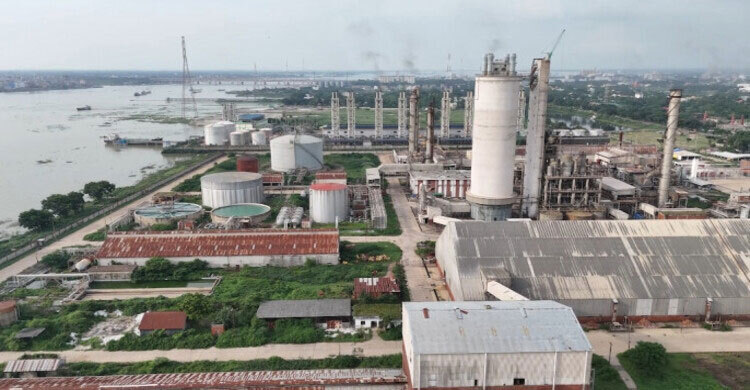
The Ashuganj Fertiliser Factory in Brahmanbaria – one of the country’s key urea producers –exemplifies the broader challenges facing state-run and private fertiliser plants as they brace for significantly higher operational expenses under the new pricing regime.
Industry experts warn that without compensatory subsidies or efficiency measures, the price revision could strain domestic fertiliser supply and deepen reliance on imports, further pressuring national reserves and agricultural stability.