
Gold hits record $5,026 an ounce amid global uncertainty

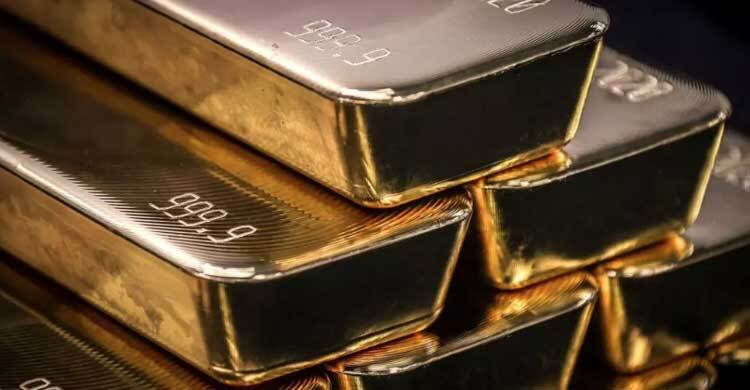
Gold has smashed through the historic $5,000-an-ounce mark for the first time ever, capping an extraordinary rally that has turned the precious metal into the world’s hottest safe-haven asset amid deepening geopolitical and financial anxiety.
The surge is being fueled by escalating global tensions, including fresh friction between the United States and NATO over Greenland, Donald Trump’s renewed tariff threats against Canada, and mounting fears over currency stability, inflation, and the future of the US dollar. With markets rattled by trade conflicts, war in Ukraine and Gaza, and concerns that AI-linked stocks are overvalued, investors are fleeing risk and piling into gold at an unprecedented pace.
Gold’s meteoric rise is also tied to expectations that the US Federal Reserve will cut interest rates again this year. Lower rates reduce the appeal of bonds and fixed-income assets, pushing investors toward gold, which offers protection against inflation and financial volatility without being tied to government debt or corporate performance. As one market strategist put it, gold is increasingly seen not just as an investment, but as insurance against systemic risk.
Central banks have amplified the rally by aggressively adding gold to their reserves, signalling a strategic shift away from dependence on the US dollar. This trend has strengthened gold’s reputation as a long-term store of value, particularly as fears grow over US deficits, rising debt, and potential currency weakening under Washington’s economic policies. Meanwhile, silver has followed gold’s lead, breaking past $100 an ounce for the first time, underscoring a broader investor pivot toward precious metals.
The rally is also rooted in gold’s scarcity. Only about 216,000 tonnes of gold have ever been mined globally, with limited new supply expected in the years ahead. That physical constraint is reinforcing gold’s appeal at a time when demand is being driven not only by investors and central banks but also by cultural and retail buyers in major markets such as China and India.
For Bangladesh, the gold boom carries both opportunity and pressure. Local gold prices have climbed sharply, affecting jewellery buyers, wedding markets, and middle-class households that traditionally see gold as a store of savings and social security. Higher global prices are likely to push up domestic jewellery costs, reshaping consumer behaviour while boosting the value of existing gold holdings. For expatriate remitters and small investors, rising gold prices could encourage greater interest in bullion and ornaments as a hedge against currency depreciation and inflation at home.
At the same time, Bangladesh’s jewellery industry and gold traders may benefit from higher valuations, though import costs and price volatility could squeeze margins. Economists say the rally may also influence discussions on reserve diversification, as emerging economies increasingly view gold as a buffer against external shocks and dollar dominance.
Veteran market watchers describe the current surge as the most dramatic gold rally since the inflation crisis of the late 1970s. Whether the metal continues its ascent or cools off will depend heavily on global politics, interest-rate moves, and economic confidence. But for now, gold’s message is loud and clear: in an unstable world, investors, governments, and households alike are racing toward what they still trust most.
Source: AFP, BBC, Guardian