
Close all US bases in region or face attacks: Mojtaba Khamenei

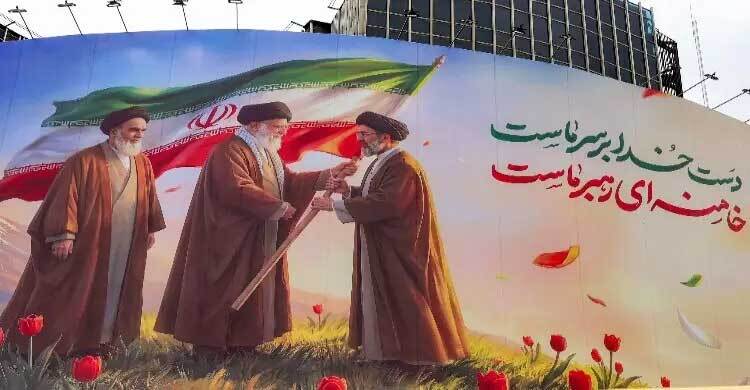
Iran’s newly appointed supreme leader, Mojtaba Khamenei, has called for the immediate closure of all United States military bases in the Middle East, warning that they would otherwise become targets of Iranian attacks.
In his first public statement since assuming leadership, Khamenei said Iran would continue targeting American military facilities in the region while maintaining friendly relations with neighbouring countries.
“All US bases in the region must be closed immediately; otherwise they will be attacked,” he said in a message broadcast on Iranian state television.
Khamenei added that Iran’s confrontation is directed at the US military presence, not at regional nations. “We believe in friendship with our neighbours,” he said, while calling for national unity at a time when Iran is facing mounting military pressure.
Strait of Hormuz pressure
The new Iranian leader also signalled that the Strait of Hormuz, a strategic global oil shipping route, would remain closed as part of Tehran’s pressure tactics against its adversaries.
“We will avenge the blood of our martyrs,” he said, praising Iranian fighters for resisting what he described as external attacks on the country.
Khamenei did not appear on camera in the broadcast. According to Israeli assessments, he may have been wounded in the opening phase of the war that erupted in late February.
Escalating regional conflict
Iran’s statement came after Tehran launched missile and drone strikes across the region, claiming they were aimed at US military assets.
The conflict has intensified since February 28, when the United States and Israel began strikes against Iranian targets.
US President Donald Trump has vowed to “finish the job,” saying Iran is “virtually destroyed,” even as fighting continues.
Iranian President Masoud Pezeshkian said the attacks would continue until Tehran receives security guarantees against further assaults and recognition of Iran’s “legitimate rights.”
Oil prices surge amid shipping disruption
The war has significantly disrupted energy markets. Iran has effectively halted traffic through the Strait of Hormuz, through which about one-fifth of global oil supply normally passes.
As shipping traffic slowed and attacks targeted energy infrastructure in the Persian Gulf, Brent crude oil prices surged above $100 a barrel, rising roughly 38 per cent since the conflict began.
Iran’s parliamentary speaker, Mohammad Bagher Qalibaf, warned that any attempt to seize Iranian islands or strike major oil terminals such as Kharg Island would trigger a fierce response.
Hezbollah joins attacks
Meanwhile, the Iran-backed militant group Hezbollah launched around 200 rockets from Lebanon into northern Israel, according to the Israel Defense Forces.
Air-raid sirens sounded across several Israeli regions as missile interceptions and explosions were reported overnight.
Israeli Defence Minister Israel Katz warned that if the Lebanese government fails to prevent Hezbollah attacks, Israel could seize territory in southern Lebanon to stop the assaults.
Humanitarian toll rises
The growing war has also triggered a massive humanitarian crisis.
The United Nations High Commissioner for Refugees said up to 3.2 million people in Iran have been displaced, most fleeing Tehran and other major cities toward northern and rural areas.
In Lebanon, at least 759,000 people have been internally displaced due to Israeli strikes and cross-border fighting.
Threats of wider blackout
Iran’s Supreme National Security Council Secretary Ali Larijani warned that if Washington attacks Iran’s electricity infrastructure, the entire region could face a power blackout.
“If they do that, the whole region will go dark in less than half an hour,” he wrote on social media, responding to US threats to strike Iran’s power production facilities.
With neither side signalling a willingness to back down, analysts warn the conflict could spread further across the Middle East, threatening global energy supplies and regional stability.
Source: Al Jazeera, AP/UNB