
Votes, voices, and steaming cups: Tea, coffee sales perk up

As winter tightens its grip and election fever grips the nation, Bangladesh’s tea stalls and coffee shops have transformed into vibrant arenas of political debate, speculation, and grassroots campaigning.
With the 13th national parliamentary elections scheduled for February 12, the country is buzzing not only with rallies and slogans, but also with the sound of clinking cups and animated conversations. From bustling city streets to quiet village corners, election talk now travels hand in hand with tea and coffee.
In many ways, this election season feels incomplete without a warm cup in hand.
Where politics meets the teacup
Every winter, tea consumption rises. But this year, the added energy of election campaigns has created a unique social and commercial moment.
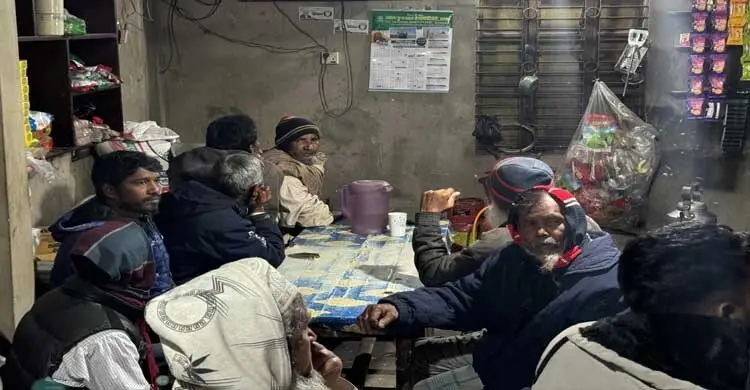
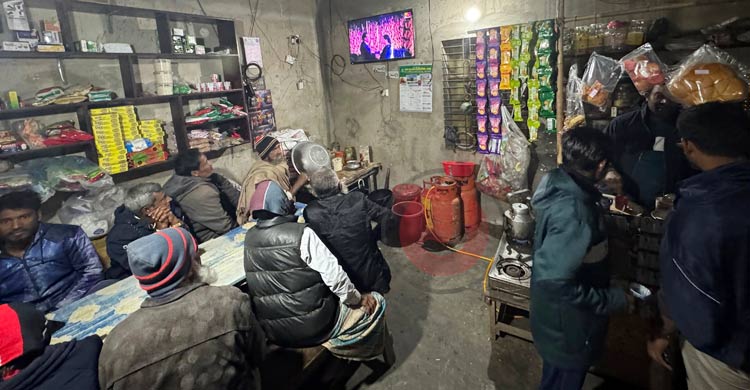
At roadside tea stalls, elderly men debate national policy. Young voters discuss campaign promises over instant coffee. Party activists pause between door-to-door outreach for a quick cup and a political argument. Even casual customers find themselves drawn into conversations about candidates, alliances, and the country’s future.
“The election has turned tea stalls into informal political clubs,” said one tea shop owner in Noakhali. “People sit longer, talk more, argue more. And they drink more tea.”
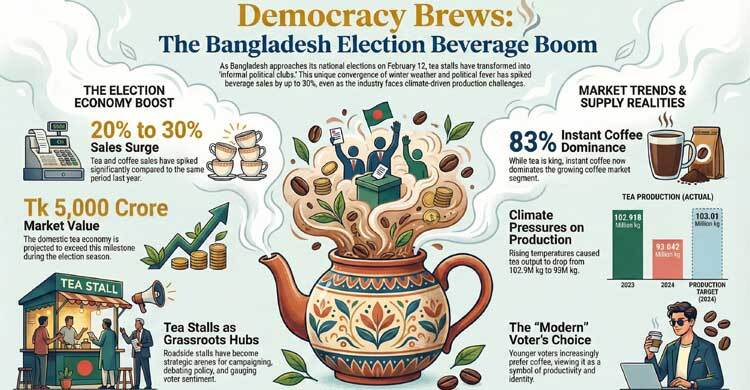
Industry officials confirm that tea and coffee sales have risen by 20 to 30 per cent compared to the same period last year. After several years of sluggish business, producers and sellers are calling this a long-awaited revival.
A Tk 5,000 crore tea economy in motion
Tea remains the nation’s favourite drink, consumed daily in an estimated 80 per cent of households. What once was a simple refreshment has grown into a massive domestic industry worth roughly Tk 4,000 crore. Traders now believe the market could exceed Tk 5,000 crore during this winter-election season.
“Elections definitely influence tea sales,” said Kamran Tanvirur Rahman, Chairman of the Bangladesh Tea Association and Kapna Tea Company Limited. “When people gather, discuss politics, or attend rallies, tea becomes part of the experience. At the same time, long-term demand is rising as tea becomes more embedded in daily life.”
In rural areas, especially, tea has shifted from an occasional luxury to a daily routine. New roadside tea stalls continue to appear, catering to farmers, labourers, students, and political campaign workers alike.
Demand rises, but production struggles
Yet this surge in demand comes at a challenging time for tea producers.
According to the Bangladesh Tea Board, tea production dropped significantly last year. After producing a record 102.918 million kg in 2023, output fell to 93.042 million kg in 2024.
This year’s target of 103.01 million kg now appears ambitious, as only 75.5 million kg had been produced in the first ten months.
Industry leaders point to climate pressures as a major cause.
“Higher temperatures and irregular weather patterns have negatively affected tea yield,” Kamran said. “So while consumption is rising, production is struggling to keep pace. That limits how much producers can benefit from increased demand.”
This imbalance could lead to higher imports and price fluctuations in the coming months.
Coffee finds momentum among young voters
While tea remains dominant, coffee is gaining ground, particularly among younger generations energised by the election.
Nestlé continues to lead the country’s coffee market, followed by PRAN-RFL Group’s Coffee House and Abul Khair Group’s Ama brand. Smaller import-based brands are also expanding their footprint.
Debabrata Roy, Director of Nestlé Bangladesh, said coffee sales have increased by 15 to 20 per cent this winter.
“Coffee demand always rises in cold weather, but this year the political environment has added another layer of growth,” he said.
PRAN-RFL Group’s Marketing Director Kamruzzaman Kamal echoed the optimism.
“With more young people actively participating in election discussions and campaigns, coffee consumption is likely to rise further as voting day approaches,” he said.
Instant coffee takes over tea stalls
A notable shift is happening in neighbourhood tea shops. Instant coffee now dominates roughly 83 per cent of the coffee market, far surpassing traditional brewed coffee. About 20 to 30 per cent of tea stalls across the country now offer coffee machines, catering to customers who want a quick caffeine boost along with their political chatter.
Although only around 15 per cent of Bangladeshi households regularly consume coffee, that figure is steadily rising. For many young voters, coffee represents a modern lifestyle, productivity, and social identity.
Marketing experts believe the election season is amplifying this trend. Campaign volunteers, student activists, and young professionals often prefer coffee as they move between rallies, meetings, and social media-driven political engagement.
Tea stalls as grassroots campaign hubs
Beyond business, tea shops have quietly become strategic grassroots spaces in the election cycle.
Candidates’ names, party symbols, and campaign promises are debated intensely at these small tables. Rumours spread. Predictions are made. Allegiances are challenged. In some areas, political operatives intentionally visit busy tea stalls to influence opinion or gauge voter sentiment.
At a tea shop in Sirajpur Union of Companiganj Upazila in Noakhali, regular customers say the election season has changed the atmosphere.
“Before, we talked about daily life,” said one patron. “Now, every conversation leads to politics. Who will win, who is honest, who will bring change?”
A season when democracy brews in cups
As Bangladesh moves closer to February 12, tea and coffee are playing a subtle but powerful role in shaping the election mood. They fuel debates, strengthen social bonds, and even drive economic momentum.
This winter, ballots are not the only thing heating up. Across the country, democracy is being discussed, debated, and dreamed over countless cups of tea and coffee, turning ordinary stalls into frontline spaces of political engagement.