
Dollar climbs toward Tk 123 amid war jitters

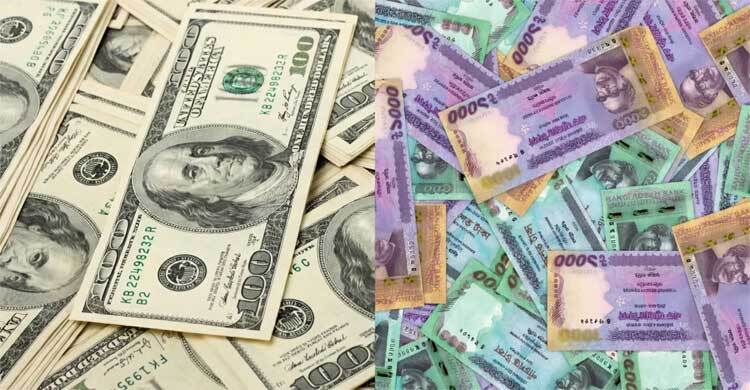
The ongoing crisis in the Middle East has begun to ripple through Bangladesh’s foreign exchange market, pushing up the price of the US dollar for both remittance purchases and import payments and raising concerns among businesses about rising costs.
Banking sources said commercial banks on Tuesday were buying remittance at rates as high as Tk 122.90 per dollar, which in turn pushed the exchange rate for settling import letters of credit (LCs) close to Tk123 per dollar.
The increase marks a noticeable jump within a short period. Just a week earlier, the dollar rate for import payments stood at around Tk 122.50, meaning the currency has appreciated by nearly 50 paisa in the past few days.
Importers say the sudden increase is already adding pressure to business costs. One importer told the media that banks appear to be taking advantage of the uncertainty created by the war in the Middle East.
“The sudden hike in the dollar rate is increasing our import costs, and the impact of this will eventually be felt by consumers,” he said, warning that higher import expenses could translate into rising prices in the domestic market.
Bankers say the volatility is largely being driven by uncertainty in the global market following the escalating conflict in the Middle East. Foreign exchange houses sending remittances to Bangladesh are reportedly demanding higher rates for dollars, pushing up the cost for local banks to procure foreign currency.
While remittance dollars were available at around Tk 122 just days ago, the rate has now climbed close to Tk 123, reflecting tighter supply and heightened market expectations.
Data from the Bangladesh Bank also indicates a gradual upward trend in the exchange rate. According to the central bank’s latest report, the average dollar rate rose from Tk 122.33 on March 3 to Tk 122.58 in recent days.
A senior official of a private commercial bank said the central bank has informally advised banks to keep the exchange rate below Tk 123 per dollar for the time being to prevent excessive volatility in the market.
“However, if import payment pressure increases and dollar supply remains tight, the price could rise further,” the official said.
He added that the central bank might need to intervene by supplying dollars from the country’s foreign exchange reserves if the market becomes unstable.
Industry experts say the current situation once again highlights the need for Bangladesh to gradually move towards a fully market-based exchange rate system, which they believe would help increase the supply of foreign currency in the market and reduce distortions in the exchange rate.
With global energy prices rising and geopolitical tensions escalating, economists warn that sustained pressure on the dollar could further strain Bangladesh’s import-dependent economy in the coming months.