
Fact-finding panel to probe wholesale-retail price gap: Muktadir

Published: 15 March 2026, 07:24 PM
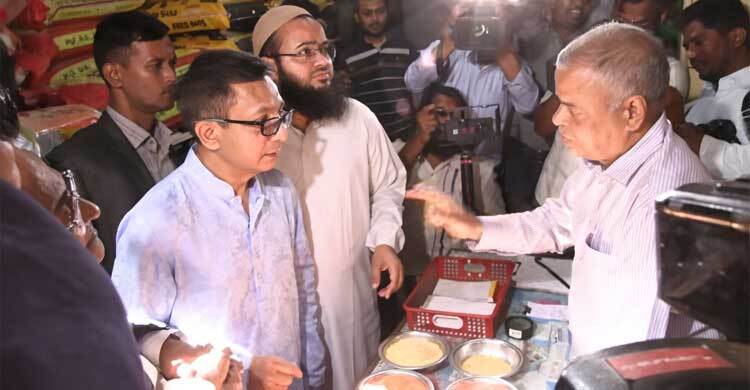
The government is set to form a fact-finding committee to investigate the reasons behind the wide gap between wholesale and retail prices of essential commodities, Commerce Minister Khandaker Abdul Muktadir said on Sunday.
The committee, to be formed by the Ministry of Commerce, will examine why the price of products often rises sharply from the wholesale stage to retail markets and recommend measures to ensure greater transparency in the supply chain.
The minister made the announcement while speaking as the chief guest at a view-exchange meeting titled “Middle East Conflict: Review of Consumer Goods Supply and Price Situation” at the conference room of the Khatunganj Trade and Industries Association after visiting the Khatunganj Wholesale Market in Chattogram.
Probe into market price gaps
Muktadir said that in many cases, there is an “unacceptable” gap between wholesale and retail prices of goods, raising concerns among policymakers and consumers alike.
“To identify the real reasons behind this gap, a fact-finding committee will be formed with representatives from the business community, the administration and, if necessary, other professionals,” he said.
The committee will analyse the supply chain, market practices and pricing structure and submit recommendations to the government.
Import dependence and global pressures
The minister noted that Bangladesh remains heavily dependent on imports for many consumer goods, making the domestic market vulnerable to global price movements.
“Increases in international commodity prices, the appreciation of the US dollar and higher transportation costs naturally influence local prices,” he said.
However, he stressed that the government remains vigilant to ensure that prices do not rise unreasonably due to domestic mismanagement or market manipulation.
Possible policy support for essential fruits
Referring to the import of foreign fruits, the minister said the government may consider policy measures to keep the prices of commonly consumed fruits – such as apples, grapes and oranges – within the purchasing power of ordinary consumers.
“At the same time, there is no necessity to reduce customs duties on very expensive luxury fruits,” he added.
Govt role in free market
Highlighting the role of traders in the economy, Muktadir said business activities in a free-market system are primarily driven by entrepreneurs and traders.
“The government’s role is to ensure a conducive environment for business and investment and to make sure the market functions normally,” he said.
He also instructed officials involved in market monitoring to ensure that traders are not subjected to unnecessary harassment during enforcement drives.
Ramadan market situation
Addressing traders during the ongoing Ramadan, the minister urged them to prioritise consumer interests and ensure the supply of goods at reasonable prices.
He noted that the edible oil market has remained relatively stable during this Ramadan compared with past years and thanked both wholesale and retail traders for maintaining supply.
However, he expressed concern that in some areas edible oil is being sold at inflated prices despite adequate supply, sometimes under the pretext of limited sales.
The minister said his visit to Khatunganj was partly aimed at hearing traders’ views and understanding the ground-level situation.
The meeting was chaired by Md Abdus Salam, with Mahbubur Rahman, secretary of the commerce ministry, and Mohammad Zahidul Islam Miah, deputy commissioner of Chattogram, attending as special guests.
Later, the commerce minister also held discussions with officials from the Chattogram divisional and district administrations as well as business leaders on the overall supply and pricing situation in the market.