
Govt advances MPO inclusion process as Abrar meets politicians

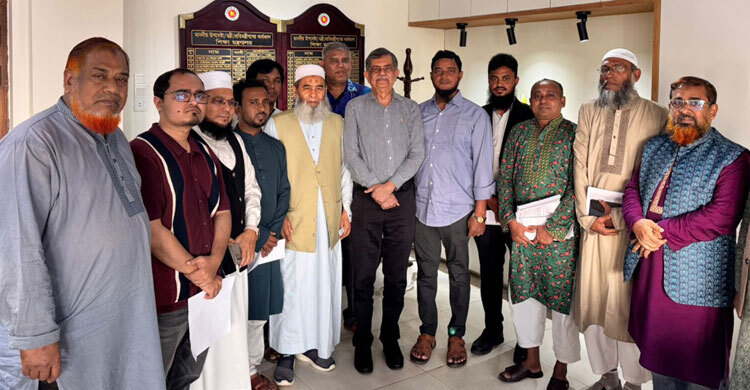
The government has stepped up its efforts to bring teachers and employees of non-MPO educational institutions under the Monthly Pay Order (MPO) system, with Education Adviser Dr CR Abrar holding a key meeting on Monday with leaders from several political parties to discuss the long-standing issue.
The meeting reviewed the demands of non-MPO teachers, existing policy gaps, implementation challenges and preparations underway to expand the MPO facility to institutions that have waited years for approval.
In Bangladesh, the MPO scheme provides government-funded salary support to teachers and staff of approved non-government educational institutions. Once an institution receives MPO status, its employees become eligible for monthly salaries, allowances and other state benefits. For many teachers in private institutions, MPO inclusion is crucial for financial stability and formal recognition.
Among those present at the meeting were Shikshak Karmachari Oikya Jote Chairman and BNP Central Organising Secretary Md Selim Bhuiyan, Jamaat-e-Islami Nayeb-e-Amir Professor Mujibur Rahman, Ganosamhati Andolan Chief Coordinator Zonayed Saki, Bangladesh Samajtantrik Dal Assistant Secretary Rajequzzaman Ratan, Amar Bangladesh (AB) Party Education Affairs President Professor Omar Faruk, and Bangladesh Khelafat Majlish Organising Secretary Maulana Md Faisal.
Speaking at the discussion, Education Adviser Dr CR Abrar said the government was determined to resolve the long-pending issue and ensure a fair and transparent process for institutions still outside the MPO system.
“The government is sincere in solving the problems of non-MPO teachers and employees to improve the quality of education and ensure a sustainable education structure. A transparent, effective and realistic MPO process is under development,” he said.
Political leaders welcomed the initiative and urged swift implementation, stressing that financial security for non-MPO educators was essential for strengthening the national education system. They also pledged full cooperation from their respective parties in advancing the process.
Dr Abrar emphasised the collective responsibility behind education reforms, stating: “Education is the backbone of national development. A coordinated approach is vital to build a modern and knowledge-driven nation.”
The meeting concluded with an agreement to continue regular consultations and outline the next steps required to push forward the MPO inclusion agenda.