
Lucknow, the name that reminds biryani, kebabs and beyond

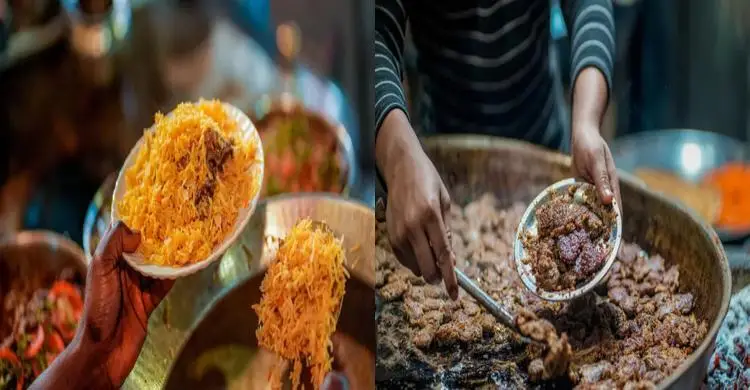
Melt-in-the-mouth kebabs. Fragrant biryani sealed in dough-lidded pots. Desserts as light as winter clouds.
For generations, Lucknow has fed India’s imagination – and its appetite. Last month, the northern Indian city finally received global validation when Unesco named it a Creative City of Gastronomy, placing it on an elite culinary map alongside just 70 cities worldwide.
For Lucknow’s residents and food lovers, the honour feels less like a surprise and more like overdue justice. As celebrity chef and Lucknow native Ranveer Brar put it bluntly: “Better late than never. It should have come before.”
With the designation, Lucknow joins Unesco’s network of 408 creative cities across more than 100 countries that use culture and creativity as engines of sustainable urban development. But in Lucknow’s case, creativity has always simmered gently on a slow flame.
A city that lives to cook
“This recognition is a testament to Lucknow’s deep-rooted culinary traditions and its vibrant food ecosystem,” said Tim Curtis, director of Unesco’s Regional Office for South Asia. Beyond prestige, the title opens doors to global collaboration – but for Lucknow, food has always been the language of connection.
In most homes here, says Madhavi Kuckreja of the Sanatkada Trust, conversations revolve around what will be cooked and how it will be cooked – from morning till night. “You are judged by the quality of food that comes out of your kitchen,” she says. The secret, she adds, lies in patience: slow cooking, careful seasoning, and respect for time.
That philosophy is centuries old.
The Nawabs’ kitchen legacy
Lucknow – famously known as the City of Nawabs after its wealthy 18th- and 19th-century Muslim rulers – became a culinary laboratory under royal patronage. Persian techniques fused with local Indian flavours to create Awadhi cuisine, now legendary for its finesse.
The city’s most iconic dish, the galouti kebab, was born from necessity. Legend says it was crafted for an ageing nawab who had lost his teeth. Cooks minced mutton to a silken paste, tenderised it with raw papaya, and perfumed it with saffron and spices until it required no chewing – only reverence.
Perhaps Awadh’s greatest gift to the world, however, was dum pukht – the art of slow-cooking food in sealed pots over low heat. Popularised during the reign of Nawab Asaf-ud-Daulah, the method emerged during a famine-era work-for-food programme, where large cauldrons of rice, meat and spices were sealed with dough to make nourishing one-pot meals. When the nawab tasted the results, dum pukht earned its royal stamp of approval.
Centuries later, the technique was revived and commercialised by the late chef Imtiaz Qureshi, whose restaurants – Bukhara and Dum Pukht in Delhi – now rank among Asia’s best.
Not just kebabs and biryani
While kebabs and biryani dominate postcards and Instagram feeds, Lucknow’s food story runs deeper. Royal kitchens also perfected kormas, sheermal (saffron-scented flatbread) and shahi tukda, a decadent bread pudding soaked in syrup and cream.
And then there is Lucknow’s quieter, often overlooked side: its vegetarian soul. The city’s Baniya community, traditionally strict vegetarians, developed a cuisine that celebrates seasonal produce, intricate sweets and a vibrant street-food culture. Tangy chaats, crisp kachoris and syrup-soaked jalebis are as essential to Lucknow as any royal dish.
Dawn at tea stalls, history on a plate
Food in Lucknow is not confined to grand dining rooms – it spills onto pavements and into everyday rituals. At 5am in Hazratganj, crowds gather at the legendary Sharmaji Tea Stall, sipping milky masala chai from clay cups and tearing into soft buns slathered with hand-churned butter. Since 1949, the stall has hosted morning walkers, political strategists and journalists alike – a shabby shack turned cultural landmark.
For breakfast in the old city of Aminabad, Netram remains a pilgrimage site. Established in 1880, the no-frills eatery still draws queues for its hot kachoris and jalebis. Now run by its sixth generation, the family guards its recipes with devotion. “This runs in my blood,” says Pranshu Agarwal, an automobile engineer by training and a custodian by choice.
Clouds you can eat
Winter brings one of Lucknow’s most magical offerings: makkhan malai, a dessert so airy it feels borrowed from the sky. Made by hand-churning milk and leaving it overnight to absorb dew, it emerges as a frothy, cloud-like delicacy sold at dawn in areas like Chowk and Aminabad. But many vendors worry the craft may fade – younger generations are reluctant to learn the painstaking process.
A global spotlight – if used wisely
Chef Ranveer Brar believes Lucknow already sits at the pinnacle of India’s street-food experience. The real challenge, he says, is ensuring that Unesco’s recognition shines light not only on famous dishes, but also on the city’s lesser-known eateries and disappearing traditions.
Every dish in Lucknow tells a story, Kuckreja notes – of famine and feasts, royal indulgence and street-side ingenuity, family recipes passed down like heirlooms. The Unesco honour, she hopes, will invite the world to listen to those stories – and taste them.
For Lucknow, the title is not the start of something new. It is a long-awaited acknowledgement of what the city has always known: here, food is not just eaten – it is lived.
Source: BBC