US cuts emergency food aid for millions, WFP calls it "death sentence"

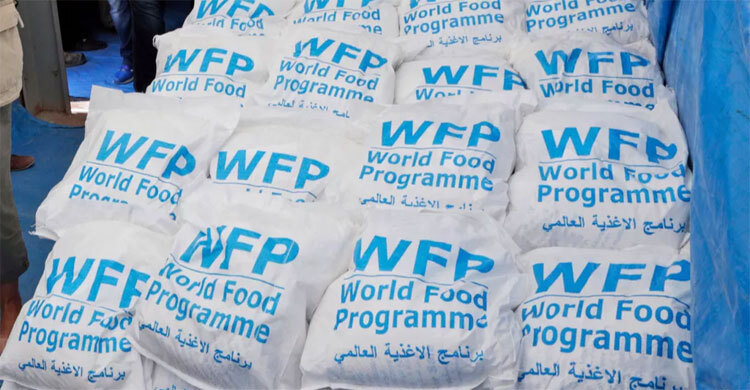
The Trump administration has halted funding for emergency relief efforts by the UN World Food Program (WFP) that have been sustaining millions in Afghanistan, Syria, Yemen, and 11 other low-income countries, many of which are grappling with conflict, according to the agency and officials who spoke to The Associated Press.
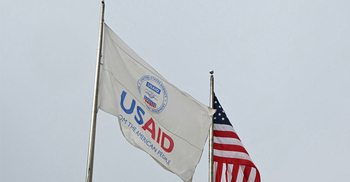
On Monday, the WFP, the world’s largest food aid provider, used social media to urge the United States to reconsider the funding cuts. The abrupt cancellation of contracts has affected some of the few remaining humanitarian operations run by the US Agency for International Development (USAID), according to two US officials, a UN official, and documents reviewed by the AP.
“This could amount to a death sentence for millions of people facing extreme hunger and starvation,” the WFP posted on X.
The agency said it was engaging with the Trump administration “to urge for continued support” of life-saving operations and expressed gratitude to the US and other countries for their previous contributions.
Despite assurances from Secretary of State Marco Rubio and other administration figures that emergency food and essential humanitarian aid would be protected from major reductions to US foreign assistance, the State Department did not issue an immediate response on Monday.
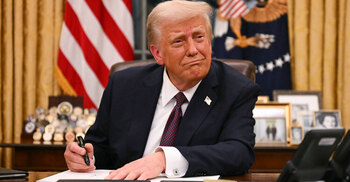
The cancellations were made “for the convenience of the US Government,” under orders from Jeremy Lewin, a senior official at Elon Musk’s Department of Government Efficiency, who was appointed to oversee the dismantling of USAID operations, according to termination notices reviewed by the AP.
Humanitarian Programs Affected by the Trump Administration
In Syria—a nation plagued by poverty, hunger, insecurity, and the aftermath of a 13-year civil war and ongoing insurgency by the Islamic State group—roughly $230 million in contracts with the WFP and other humanitarian organisations were recently terminated, according to a State Department document obtained by the AP.
The largest of these projects, valued at $111 million, provided daily bread and food to 1.5 million people, the document states.
Around 60 termination notices were issued over the past week. A UN official in the Middle East said all US assistance to WFP food initiatives in Yemen—a country suffering from one of the world’s worst humanitarian crises—had been cut, apparently including food that had already arrived at distribution hubs.
Termination letters were also sent to WFP programs in Lebanon and Jordan, where Syrian refugees are expected to be among the hardest hit, the UN official said.
Remaining US support for critical aid initiatives in Somalia, Afghanistan, and Zimbabwe was also affected, including programmes providing food, water, healthcare, and shelter to people displaced by violence, one US official said.
These officials requested anonymity as they were not authorised to comment publicly.
According to current and former USAID personnel and affiliated partners, roughly $560 million in humanitarian aid was cut from Afghanistan alone. This included support for emergency food, treatment of malnourished children, essential medical care, access to clean drinking water, and emergency mental health services for survivors of sexual and physical abuse.
One termination notice issued Friday cut funding for a popular program backed by Congress that helped young Afghan women continue their education abroad—an opportunity denied to them under Taliban rule. The program, run by Texas A&M University, now faces sending the students back to Afghanistan, where they could face serious threats, according to an administrator who spoke on the condition of anonymity.
Broader Implications of the Aid Cuts
The WFP said the sudden cancellation of its programmes places some of the world’s most vulnerable people at even greater risk, as many rely heavily on food aid. Humanitarian organisations note that such programmes have long served US strategic interests by helping to reduce mass displacement, armed conflict, and extremism, often fuelled by competition over scarce resources.
WFP Executive Director Cindy McCain said in a social media post that the cuts “undermine global stability.”
Last month, Rubio informed Congress and the judiciary that the process of ending USAID contracts had concluded, with around 1,000 projects preserved worldwide and more than 5,000 cancelled. This made the latest round of cuts all the more surprising.
The Trump administration has previously criticised USAID for inefficiency and for promoting liberal agendas.
At one point, Trump’s freeze on all USAID and State Department foreign assistance led to a brief suspension of services at the al-Hol camp, which houses tens of thousands of suspected Islamic State members and their families under guard.
That disruption raised concerns of unrest or escape attempts at the camp, prompting swift US intervention to resume services.
The State Department document seen by the AP names two newly cancelled contracts—managed by Save the Children and the UN Population Fund—which provided mental health and other support to women and children at al-Hol. It remains unclear whether other services at the camp were also affected.
Last year, the US was the top donor to the WFP, contributing $4.5 billion out of the agency’s total $9.8 billion in funding.
Source: UNB/AP