
Curfew in Ladakh after protests seeking separation from Kashmir turn deadly

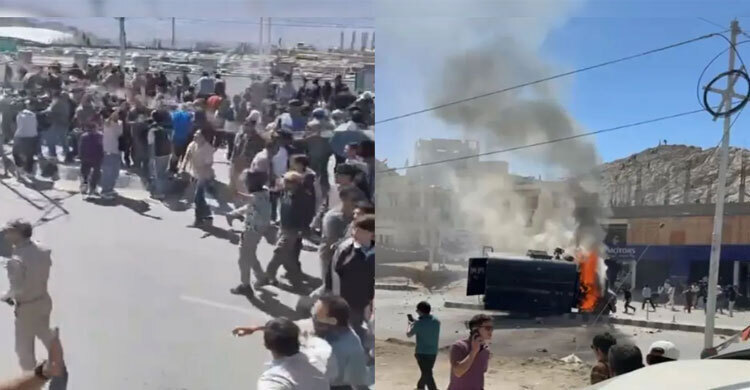
Indian authorities have imposed a strict curfew in Leh, the high-altitude capital of the strategically sensitive Himalayan region of Ladakh, following the deadliest outbreak of violence in decades.
At least four people have been killed and dozens injured after protests demanding full statehood descended into chaos, with demonstrators setting fire to the local office of the ruling Bharatiya Janata Party (BJP) and attacking police vehicles.
The unrest marks a dramatic escalation in a months-long campaign for constitutional recognition, exposing deep resentment over New Delhi’s 2019 decision to revoke Ladakh’s semi-autonomous status and place it under direct federal rule. Security forces responded with live ammunition and tear gas, leaving hospitals overwhelmed and the normally tranquil town under lockdown.
At the centre of the turmoil is Sonam Wangchuk, the renowned engineer, education reformer and climate activist who began a hunger strike on 12 September to press for statehood and legal protections for Ladakh’s unique Buddhist-Muslim society. The Indian government has now accused him of inciting “Arab Spring-style” protests – a claim Wangchuk firmly rejects.
“They are blaming me to divert attention from their broken promises,” Wangchuk said after ending his fast. “Violence only harms our cause. But when young people have been unemployed for years, and see their land, culture and future being handed over to outsiders, frustration boils over.”
According to eyewitnesses and local media, the violence erupted on Wednesday as crowds gathered in Leh demanding autonomy. Police opened fire after protesters torched the BJP office and set a police vehicle alight. Official sources confirmed that at least 30 officers were injured, while hospital staff reported four civilian deaths from gunshot wounds and dozens more wounded by rubber bullets and tear gas.
In a late-night statement, India’s Home Ministry alleged that Wangchuk had “misled the public through provocative references to youth-led protests in Nepal and uprisings abroad,” framing the unrest as part of a coordinated conspiracy. Ladakh’s Lieutenant Governor, Kavinder Gupta, echoed this, claiming recent comparisons of the protests to demonstrations in Bangladesh and Nepal “smell of a conspiracy.”
Yet local residents tell a different story. Historically, Leh’s Buddhist majority and Kargil’s Shia Muslim population held opposing political views – Buddhists seeking separation from Kashmir, Muslims favouring reintegration. But since 2019, both communities have united in an unprecedented alliance, demanding restoration of statehood and safeguards over land, jobs and cultural identity.
“The BJP promised us dignity and development,” said Tsering Dolma, a university student treated for injuries sustained in the clashes. “Instead, we got bureaucrats from Delhi, corporate land grabs, and silence as our glaciers vanish. Statehood is not a luxury – it is survival.”
Ladakh, home to around 300,000 people but perched on the volatile frontier between nuclear-armed China and Pakistan, has long been a geopolitical flashpoint. The 2020 Galwan Valley clash, which left 20 Indian soldiers dead in brutal hand-to-hand combat with Chinese troops, underscored its strategic importance. Yet many locals argue that New Delhi’s security-first approach has come at the expense of democratic rights.
Despite repeated talks since 2023, activists say promises of job reservations, land protections and environmental safeguards remain unfulfilled. The federal government insists “phenomenal progress” has been made in negotiations, but admits that “certain politically motivated individuals” are obstructing dialogue.
A new round of discussions between protest leaders and officials is scheduled for Thursday and Friday, with a central government committee due to meet regional representatives on 6 October. However, with blood spilled and public trust eroding, hopes for a peaceful resolution are fading fast.
As curfew sirens echo through Leh’s ancient monasteries and snow-capped peaks, a stark question lingers: when a democracy meets hunger strikes with bullets, who truly threatens peace?
Source: BBC