
Kolkata’s Raj Bhavan now ‘Lok Bhavan’
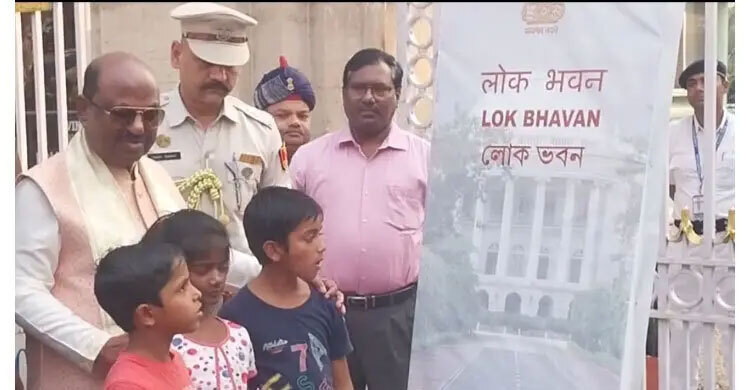
In a symbolic move to make gubernatorial residences more people-oriented, West Bengal’s historic Raj Bhavan in Kolkata has been officially renamed Lok Bhavan, Governor CV Ananda Bose announced on Sunday.
The renaming, carried out on the instructions of the Central Government, will be extended to Raj Bhavans across all states and union territories in a phased manner, replacing the colonial-era title with “Lok Bhavan” – meaning “People’s House”.
Speaking after the ceremony, Governor Bose said the change reflects a broader effort to transform the character of the Governor’s residence from an exclusive seat of power into an institution that is truly open to the public.
“The real purpose of this house is to listen to the people and resolve their problems. ‘Lok Bhavan’ is therefore a more fitting and contemporary name than ‘Raj Bhavan’,” he stated.
The brief renaming event began with the Governor paying floral tributes before a large portrait of Netaji Subhas Chandra Bose inside the building. He bowed with folded hands and touched Netaji’s feet in reverence, then offered similar respects at a statue of Rabindranath Tagore.
Governor Bose then personally removed the word “Raj” from a wooden plaque bearing the Ashoka Pillar emblem that read “Raj Bhavan Kolkata” in golden letters, replacing it with “Lok” to complete the new name: Lok Bhavan Kolkata.
Moments later, accompanied by a group of schoolchildren, he unveiled a large flex banner bearing the words “Lok Bhavan” at the main gate of the residence.
Since assuming office in West Bengal, Governor Bose has pursued initiatives to open the erstwhile Raj Bhavan to the public, including cultural programmes, exhibitions, and direct public-interface events.
The nationwide renaming is being seen as part of a continuing effort by the Centre to shed colonial nomenclature from key institutions and make governance appear more citizen-friendly.