
Over 1,500 dead as floods strike four Asian countries

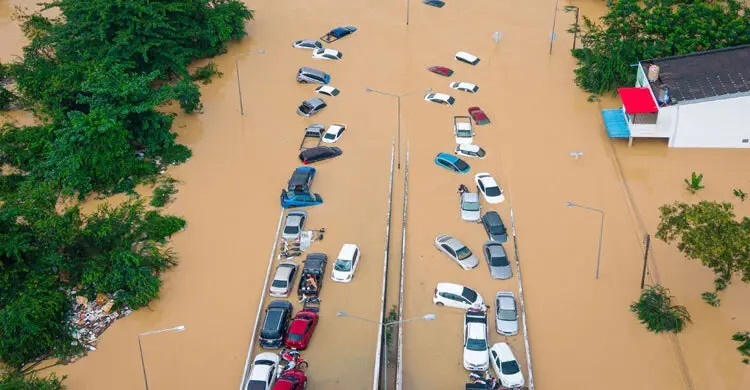
Catastrophic flooding across Indonesia, Sri Lanka, Thailand, and Malaysia has claimed more than 1,500 lives, with forecasters warning of continued heavy rain that could deepen the crisis, particularly in Indonesia and Sri Lanka, where the risk of further landslides and inundation remains acute.
Indonesia’s Meteorology, Climatology, and Geophysics Agency (BMKG) predicts moderate to heavy rain through Friday in three severely affected provinces on Sumatra. Although rainfall resumed overnight, it has so far been less intense than last week’s deadly downpours.
The official death toll has reached 776, with over 560 people still missing. Rescue efforts are severely hampered by cut-off roads, collapsed bridges, and disrupted communications in remote areas.
“We are terrified,” said Sambani, 54, sheltering in Pandan, North Sumatra. “If it rains again, the floods will return. This fear won’t leave us.”
The disaster has triggered fuel shortages, while reports of food scarcity, price surges, and looting are mounting in hardest-hit zones.
Sri Lanka faces renewed danger as its northeast monsoon is set to begin Thursday afternoon. Authorities have issued urgent landslide alerts for the central highlands, where waterlogged slopes remain unstable.
Residents are being told not to return home, even as the Colombo–Kandy highway partially reopens, allowing about 15 hours of daily traffic, though detours and damaged sections slow movement significantly.
So far, 479 deaths have been confirmed, with hundreds still unaccounted for. The government estimates recovery and reconstruction could cost up to $700 million, a staggering burden for an economy already in distress.
In southern Thailand, floods have killed at least 267 people and impacted nearly 2.8 million. The city of Hat Yai, a key commercial and tourist hub in Songkhla province, recorded the highest number of fatalities.
In Malaysia, recent flooding has claimed three lives and forced the evacuation of around 34,000 people to temporary shelters.
Source: AFP