
Only irregularities can secure Jamaat’s win: Shringla
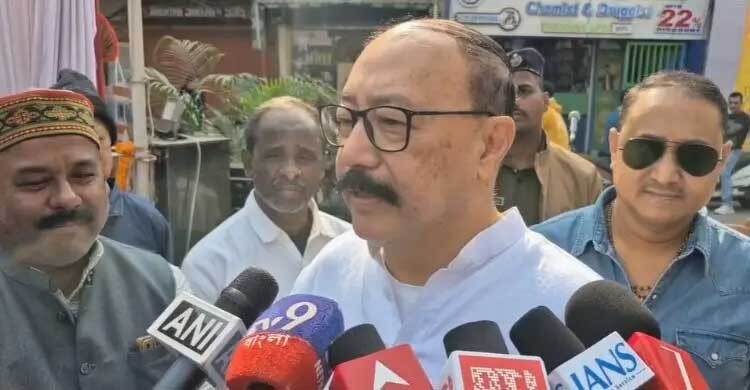
Former Indian External Affairs Secretary Harsh Vardhan Shringla, currently a member of the upper house of the Indian parliament, has claimed that Bangladesh Jamaat-e-Islami can only come to power if there are irregularities in the country’s elections, arguing that the party lacks sufficient public support to win in a free and fair vote.
Speaking to journalists in Darjeeling, West Bengal, on Friday, January 23, Sringla, also a former Indian High Commissioner to Bangladesh, said Jamaat has never secured an electoral victory through democratic means.
“Jamaat has never won in free and fair elections, and it never will,” Shringla said, adding that historically the party has received no more than five to seven per cent of the total vote share.
“They simply do not have the level of public support needed to come to power,” he added.
Allegations of external backing
Shringla further suggested that external forces beyond India may be attempting to elevate Jamaat’s political standing in Bangladesh.
“Someone is trying to bring them forward. Even then, they can only come to power if there are election irregularities. Otherwise, it is impossible,” he said.
Concerns Over Bangladesh’s election environment
Referring to India’s official position on Bangladesh’s upcoming national election, Shringla reiterated that New Delhi supports a free, fair, and inclusive electoral process in which all political parties can participate.
However, he expressed uncertainty over whether such conditions currently exist.
“I have not seen a situation where a fully credible election environment is in place. There are security concerns, uncertainties, and many unanswered questions,” he said.
Regional and political implications
Shringla’s remarks come amid heightened regional attention to Bangladesh’s electoral climate, with international observers monitoring political stability, participation, and security conditions ahead of the polls.
His comments are likely to fuel further debate over the credibility of the upcoming election and the role of Islamist political forces in Bangladesh’s political future.