
Pakistan joins mediation push between US and Iran

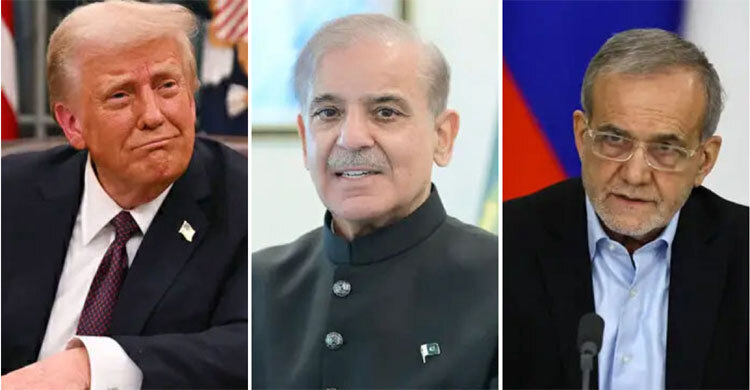
Pakistan’s name has begun surfacing in international media as a country joining efforts to act as a go-between for the United States and Iran, amid escalating conflict involving the US, Iran, and Israel.
NBC News reports that Pakistan is joining a growing list of countries mediating between the United States and Iran, citing four sources. Two of those sources said an in-person meeting could be held in Islamabad in the coming days.
A diplomatic source said Pakistan is in conversations with both the US and Iran and is “well poised to play an active role” in discussions to end the war, which has killed more than 2,000 people and displaced millions as it enters its fourth week. A Gulf official added that Pakistan has been passing messages between the two countries for the past two days.
For the first time since the conflict began with US and Israeli strikes on February 28, President Donald Trump said Monday that the US and Iran had held “very good and productive conversations” and that discussions would “continue throughout the week.” This marked a shift from the president’s weekend ultimatum demanding that Iran reopen the Strait of Hormuz within 48 hours or risk US strikes on its power plants.
“We’re doing a five-day period. We’ll see how that goes, and if it goes well, we’re going to end up settling this,” Trump told reporters about his decision to postpone US strikes on Iran’s energy infrastructure. “Otherwise, we’ll keep bombing our little hearts out.”
Senior Iranian officials, including Parliament Speaker Mohammad-Bagher Ghalibaf, denied Monday that negotiations were taking place and accused Trump of trying to “manipulate financial and oil markets and escape the quagmire in which the US and Israel are trapped.”
Pakistan’s foreign ministry spokesperson, Tahir Andrabi, told the BBC that the country is “always willing to host talks” provided the “parties desire” them. He added that Pakistan “has consistently advocated for dialogue and diplomacy to promote peace and stability in the region.”
There is speculation that senior US officials could meet Iranian officials in Pakistan. Andrabi would neither confirm nor deny any such conversations. The White House has cautioned that the situation remains “fluid,” and no formal meetings between top leaders from the US and Iran have been announced. There has been no public statement regarding Pakistani officials speaking to senior US officials.
Vali Nasr, a prominent Washington-based scholar, suggested that any Pakistani initiative would likely not occur without Saudi backing. “Pakistan will only step up if it has Saudi support — and prodding. Riyadh is likely very much in the picture,” he wrote on X.
In a column for Dawn, Anwar Iqbal noted that diplomatic observers in Washington are also paying attention to the timing of recent media reports on Pakistan’s mediation efforts.
First, the war has entered a dangerous and sustained phase. Initial strikes have escalated into broader exchanges, raising fears of regional spillover. Second, direct US-Iran engagement remains politically constrained. In Washington, domestic politics limit overt negotiation, while in Tehran, direct talks carry their own risks. In such circumstances, third-party mediators become increasingly valuable.
Third, Pakistan’s recent diplomatic activity has been visible, attracting coverage. High-level contacts with Washington, ongoing engagement with Tehran, and consultations with Gulf partners have all been reported in quick succession, reinforcing the perception that Islamabad is actively attempting to shape the situation rather than merely observing it.
In short, Pakistan’s mediatory role is gaining attention because military escalation carries growing costs, while direct diplomatic channels remain limited. States with cross-cutting relationships, like Pakistan, become increasingly relevant when direct engagement narrows.