
Public admin reform comm to submit over 100 recommendations

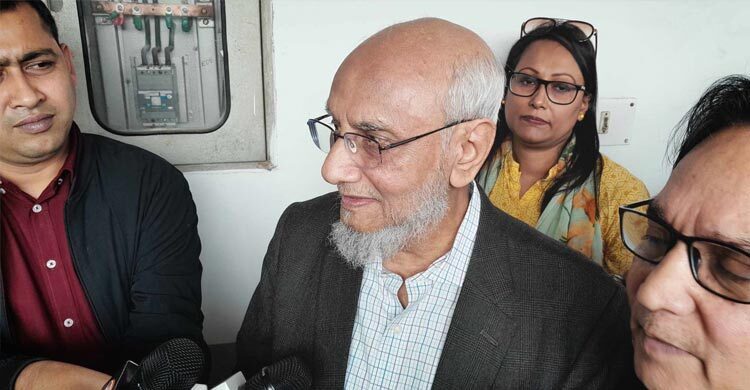
The Public Administration Reform Commission, led by Abdul Muyeed Chowdhury, is set to submit a comprehensive report containing over 100 actionable recommendations aimed at transforming Bangladesh's public administration system.
Speaking to reporters at the Secretariat on Tuesday (February 4), Commission Chief Abdul Muyeed Chowdhury confirmed that the report would be handed over to the Chief Advisor of the interim government at 12:30pm on Wednesday (February 5).
Muyeed Chowdhury emphasised that all recommendations included in the report are feasible and designed for implementation. "If they were impossible to implement, we wouldn't have recommended them," he stated. He added that the final decision on adopting these recommendations rests with the government, which will assess their practicality.
When asked about specifics, Muyeed refrained from divulging details, saying, "I cannot share anything beyond this now." However, he assured that the report addresses critical issues to create a people-oriented, accountable, efficient, and impartial public administration system.
Senior Secretary of the Ministry of Public Administration Md Mokhles Ur Rahman, who was present during the briefing, clarified that once submitted, the report will become a public document. "It will be uploaded on the website, making it accessible to everyone," he explained. This move aims to ensure transparency and prevent misunderstandings regarding the commission's findings and proposals.
After signing the finalised report, Muyeed Chowdhury iterated its practical focus: "All our recommendations are possible to implement. The government will decide whether to adopt them based on their feasibility."
Established on October 3 as an 8-member body, the Public Administration Reform Commission was tasked with creating a robust framework for reforming the country's public administration within 90 days (three months). Headed by Abdul Muyeed Chowdhury—Chairman of Biman Bangladesh Airlines and a former advisor to the caretaker government—the commission later expanded to include 11 members following the addition of three more experts.
The commission conducted extensive field visits across districts and upazilas, engaging directly with citizens and gathering feedback through online consultations. These efforts informed the final recommendations, ensuring they align with grassroots needs and challenges.
Despite initial deadlines, the commission's term was extended three times, eventually concluding on February 15. However, with the work completed ahead of schedule, the commission decided to submit the report early.