
Goodbye ‘Sir’

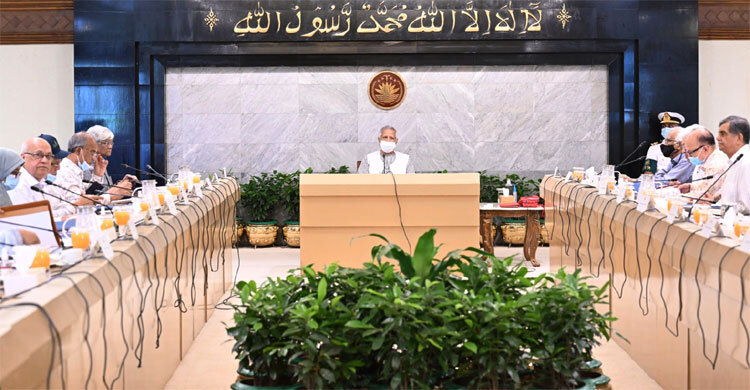
In a symbolic yet significant move, Bangladesh’s interim government has abolished the controversial practice of addressing government officials as “Sir,” a relic of the Sheikh Hasina era deemed outdated and hierarchical.
The decision, finalised during an advisory council meeting chaired by Chief Adviser Muhammad Yunus at his Tejgaon office on Thursday, reflects a broader push to dismantle exaggerated protocol norms and foster a more egalitarian administrative culture as the nation prepares for its 2026 elections.
The directive, introduced during Hasina’s 16-year tenure, mandated that officials, male and female, be addressed as “Sir,” a practice critics labelled as awkward and a vestige of colonial deference.
“It’s unusual to call women officials ‘Sir,’ and it’s out of step with modern governance,” said Deputy Press Secretary Abul Kalam Azad Majumder, briefing the press post-meeting.
To address this and other protocol excesses, the council formed a two-member review committee comprising Energy, Roads, and Railways Adviser Mohammad Fouzul Kabir Khan and Environment and Water Resources Adviser Sayeda Rizwana Hasan.
Tasked with proposing amendments within a month, the committee will scrutinise honorary titles and guidelines introduced under the previous regime, aiming to align protocols with Bangladesh’s democratic aspirations.
The move resonates deeply in a country still processing the July 2024 uprising that ended Hasina’s rule. The “Sir” directive, seen as emblematic of her government’s top-down control, had drawn ire for reinforcing bureaucratic elitism.
The committee’s tight timeline, delivering recommendations by August 10, adds pressure, especially as Yunus’s government juggles flood relief, visa restrictions, and election preparations.
As Bangladesh redefines its governance ethos, scrapping “Sir” is more than a linguistic tweak – it’s a signal of intent to break from a hierarchical past.