
HC orders UN report on July uprising be declared ‘historic document’

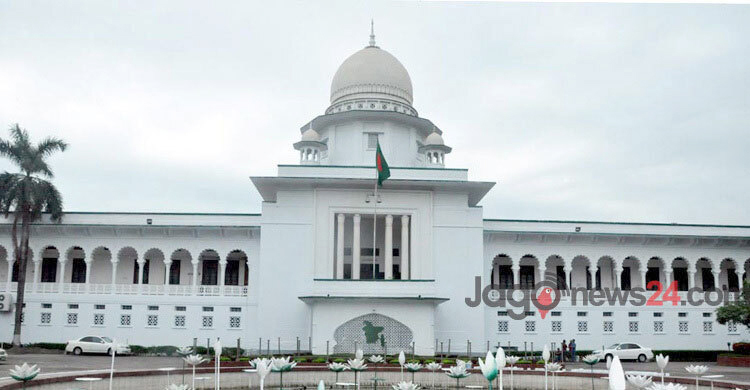
The High Court on Thursday directed that the fact-finding report of the United Nations Human Rights Office on crimes and abuses committed by the Awami League government during the July–August uprising be declared a “historic document.”
The court also instructed the relevant ministries and departments to publish the UN report on human rights violations during the uprising as an official gazette within the next three months. Additionally, the report must be preserved to inform future generations.
The verdict was delivered by a High Court bench comprising Justice Fahmida Kader and Justice Syed Zahed Mansur during the final hearing of the rule issued in this regard.
Earlier, on 13 August last year, Supreme Court lawyer Md Tanvir Ahmed had filed a writ petition at the High Court seeking directives to hold those responsible for sustaining autocratic rule and committing genocide accountable. At that time, the court issued a rule asking why proper trials should not be conducted against perpetrators of killings during the quota reform movement. On 14 May this year, the High Court sought clarification on why the UN Office of the High Commissioner for Human Rights (OHCHR) fact-finding report on human rights violations during the July–August uprising should not be declared a “historic document” and preserved for future research.
The report, published in February 2025 by the UN OHCHR, analysed incidents between 1 July and 15 August 2024. It included interviews with seriously injured protesters and documented civilian killings. Following its publication, a supplementary application was submitted in May 2025 to include the report in the writ petition.
After the order, advocate Tanvir Ahmed said the writ petition in August 2024 had sought trials against those responsible for the killings. Following the court-issued rule, the government took steps including re-establishing the tribunal, amending laws, and engaging investigative and prosecution teams. The UN fact-finding report documented around 1,400 civilian deaths, political interference, the nature of violence, and the functioning of the judicial system, providing a comprehensive record of events.
Ahmed highlighted three key reasons for preserving the report: to inform future generations, serve as evidence, and support research in other countries. “We submitted the report to the High Court to be preserved as a court record. The court has now issued a rule accordingly,” he added.