
Interim’s ambitious reforms may be hard for next govt to digest: Wahiduddin

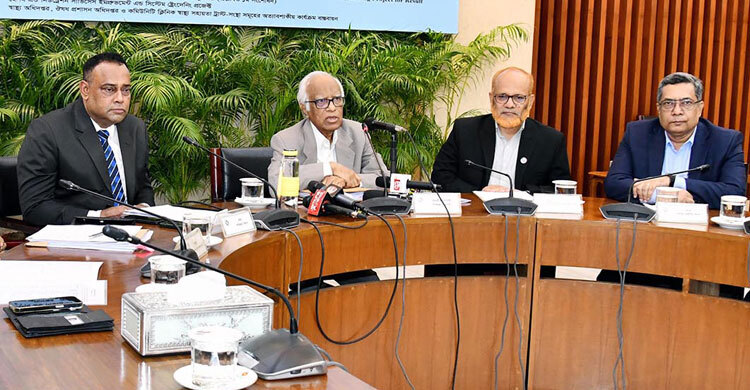
Planning Adviser Dr Wahiduddin Mahmud has said the interim government’s sweeping reform drive may prove “difficult for the next elected government to digest”, noting that several measures are far more ambitious than anything seen in recent years.
Speaking at the post-ECNEC meeting press conference at the NEC Conference Room in Sher-e-Bangla Nagar on Monday, December 1, he said many major changes – carried out through ordinances – are so vast that even those implementing them are still trying to grasp their full implications.
“These reforms have long been under discussion. Many proposals came from our ministries themselves,” he said.
“But my impression is that the interim government has undertaken too many reforms, and too ambitious ones. The elected government may find them hard to accept or tolerate.”
Despite this, Wahiduddin expressed hope that the next administration would at least uphold the core spirit of the changes. “If not the whole package, they will accept the essence – because an elected parliament is ultimately most aligned with the needs of the people,” he added.
Citing the recent ordinance separating the judiciary, he noted that the Planning and Finance ministries were deeply involved in the process. But the extent of independence now granted, he warned, may be “uncomfortable” for the incoming government.
“Decisions on bail, remand or sentencing are no longer in the hands of the Law Ministry. A new government will certainly revisit these issues,” he said.
Turning to the ongoing unrest and waves of demands across sectors, Wahiduddin said the sense of urgency was troubling.
“We have very little time, yet primary and secondary teachers are going on strike with exams just ahead. Everyone seems to think this is the last chance to get anything done before the election schedule is announced,” he observed. “Two-day ultimatums are being issued on the assumption that nothing can happen afterward. It feels strange.”
He urged society to step back from this “restlessness”.
“Why do we feel that if we don’t get it now, we will never get it again?” he said. “Society, politics, teachers, students – everyone must move away from this mindset.”
Calling for calm and continuity, the adviser said the country cannot advance without a stable environment.
“Students need to study, researchers need to research, planners need to plan,” he said. “No single group can carry the burden of solving all the country’s problems. Bangladesh will move forward only when each of us fulfills our responsibilities in our own place.”