
Food adulteration worries Yunus, orders unified action

Uncontrolled use of antibiotics and other drugs in poultry farms is fuelling growing public health concerns, senior government advisers and officials warned at a high-level meeting on Sunday.
Experts cautioned that antibiotics given to chickens can remain in their bodies for 7 to 28 days. If birds are sold before this withdrawal period is completed, consumers may be exposed to unnecessary antibiotic residues through the meat.
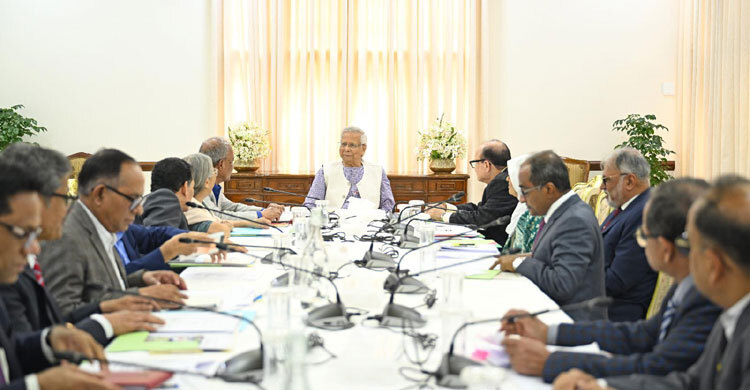
This warning was raised at a meeting chaired by Chief Adviser Professor Muhammad Yunus at the State Guest House Jamuna, convened to address the rise of harmful chemicals in food, the risks they pose to public health, and the measures needed to combat food adulteration.
Officials from the Food and Agriculture ministries reported that while major companies follow regulations, several clandestine operators continue to run poultry farms without oversight, contributing to widespread misuse of drugs and pesticides.
‘Food contamination is a national crisis’
The meeting reviewed the steps taken to monitor poultry farms, prevent the use of illegal pesticides in agriculture, and identify further measures required to strengthen surveillance.
Food Adviser Ali Imam Majumder observed: “While ensuring adequate food, sometimes the question of whether what we eat is safe is overlooked. The media can play a vital role in raising public awareness. Food safety is an urgent issue and should be included in textbooks.”
Chief Adviser Professor Yunus stressed the severity of the problem: “We are aware of various contaminations in food; we must act to tackle them. Our children, parents and relatives are all affected. We must work together to address this crisis in our own interests.”
He instructed all relevant agencies to submit written proposals within a week outlining urgent actions to address food contamination.
Stark data on foodborne risks
The Bangladesh Food Safety Authority (BFSA) presented alarming figures:
According to WHO research, one in 10 children falls ill from foodborne diseases every year.
One-third of those infected die.
Globally, 600 million people — including 30 million in Bangladesh — are affected annually.
Recent tests detected excessive lead contamination in 22 out of 180 samples.
Joint studies also identified PFAS, pesticide residues and traces of medicines in water and fish samples from various districts.
BFSA Chairman Zakaria noted a UNICEF study showing 35 million Bangladeshi children exposed to lead:
“Lead accumulates in the brain, liver, kidneys, bones and teeth. As children’s bones are soft, lead travels directly to the brain, hampering mental development.”
Lead exposure was also found in 5% of pregnant women, prompting the Ministry of Environment to introduce a 10-year action plan to reduce lead contamination.
Universities urged to conduct nationwide testing
Special Assistant to the Chief Adviser Sayedur Rahman said public universities possess laboratory facilities capable of carrying out a comprehensive national study: “Rapid action can be taken by conducting a wide-ranging assessment of lead levels in food.”
Advisers on agriculture, health, food, fisheries, livestock and national security – along with senior government officials, including the heads of BSTI, BFSA and the Directorate of National Consumer Rights Protection – attended the meeting.
The discussions made clear that food safety, from poultry farms to household kitchens, is now a pressing national priority requiring swift, coordinated action.