
Raw material crisis threatens industry, Ramadan supply chain

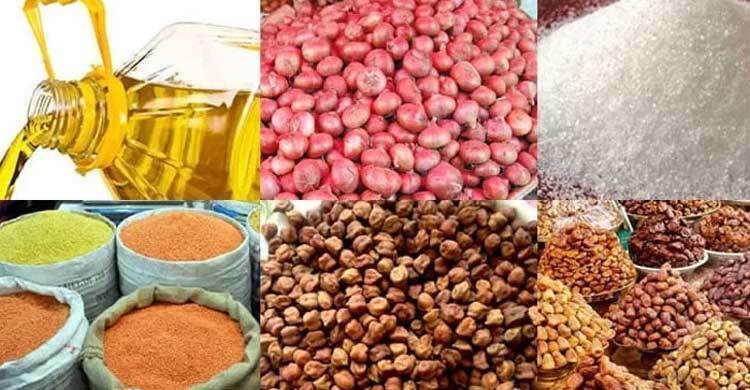
The country's industrial sector is grappling with a severe raw material crisis due to a combination of working capital shortages, a dollar crisis, rising prices, and unreliable gas and electricity supply.
Compounding these challenges is the difficulty in opening Letters of Credit (LCs), particularly among Shariah-based banks. Experts warn that if the situation persists, the supply of daily necessities during Ramadan may face significant disruption.
Several large industrial groups have reported difficulties importing raw materials due to banks’ reluctance or inability to open LCs.
This is affecting production across vital sectors such as:
Daily essentials: Oil, sugar, and consumer goods.
Heavy industries: Rods, cement, and construction materials.
Others: Pharmaceuticals, ceramics, and textiles.
In a letter to top echelon of the government, Deshbandhu Group highlighted the gravity of the issue, resulting in a series of official directives aimed at addressing the crisis.
In response, the Chief Adviser’s Office issued a directive on December 3, 2023, instructing the concerned banks to address the issue. The finance ministry also issued a similar directive. Following these, Bangladesh Bank sent an additional letter to the banks on December 5, 2023, iterating the instructions and urging compliance.
However, Shariah-based banks, particularly First Security Islami Bank PLC, Social Islami Bank PLC, and Islami Bank Bangladesh PLC, have reportedly failed to comply with these directives, further escalating the problem.
Banking and loan challenges
Deshbandhu Group sought to reschedule loans in line with Bangladesh Bank Circular No. 16/2022. Despite directives from Bangladesh Bank and the High Court, the three banks classified the loans as non-performing in their Credit Information Bureau (CIB) reports. This has disrupted Deshbandhu Group’s operations, leaving 25,000 employees at risk and delaying salaries.
Broader economic concerns
Former Secretary and Executive Director of Deshbandhu Group, Momtazul Islam, said the critical challenges the industrial sector now facing include Reluctance among banks, especially Islamic ones, to issue LCs, even with 100% cash margins. The rising cost of importing raw materials due to the depreciation of the taka against the dollar, causing Tk 500 crore in losses for Deshbandhu Group alone, he said adding that reduced production capacity and factory closures across Dhaka and Chattogram.
Brigadier General (Retd.) Zakir Hossain, Additional Managing Director of Deshbandhu Group, accused Islamic banks of pressuring industrial groups to repay previous loans while withholding LCs and supplier credit contracts, exacerbating the crisis.
Bashir Ahmed, Additional Managing Director and CFO of Deshbandhu Group, recalled the financial strain caused by government-mandated high-cost sugar imports in 2011, which led to a Tk 378 crore loss. Despite these setbacks, Deshbandhu Sugar Mills maintained high standards and received commendations from multiple banks.
Potential Ramadan crisis
With Ramadan approaching, consumer demand is expected to double. However, the ongoing LC bottleneck and supply chain issues jeopardize the production and distribution of essential goods.
Call for govt intervention
Bashir Ahmed urged the government and Bangladesh Bank to issue directives to protect large industrial groups and ensure uninterrupted production. "An industrial enterprise like Deshbandhu Group is a national asset," he said, emphasising the need to safeguard employment and stabilise the supply chain.