
BKMEA slams gas price hike as unreasonable, suicidal

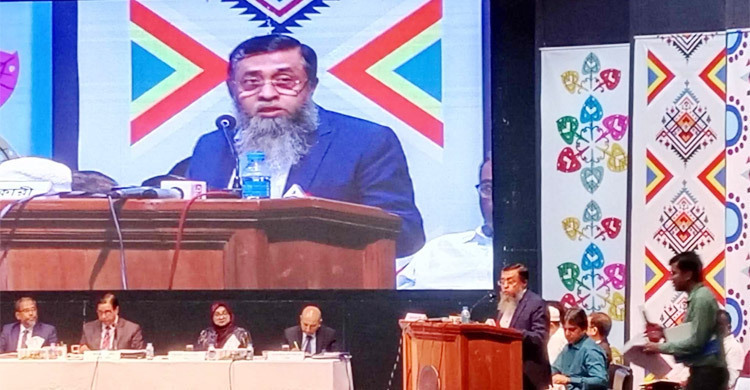
Mohammad Hatem, President of the Bangladesh Knitwear Manufacturers and Exporters Association (BKMEA), blasted a proposed gas price surge as “unreasonable and unrealistic” during a heated public hearing hosted by the Bangladesh Energy Regulatory Commission (BERC) at BIAM Auditorium on Wednesday afternoon.
Labelling it a “suicidal decision,” he urged authorities to rethink the move.
Hatem didn’t mince words: “We’re promised 15 or 40 PSI for industrial use, but we’re lucky to get 2 or 3 PSI. Titas reports a 40% system loss—plain theft—and now claims it’s down to 7%. Yet, thousands of illegal stoves run in Narayanganj with Titas’ complicity. Slash that loss, and there’s no need for a price hike.” He calculated that cutting system loss by just 1% saves Tk 1,000 crore, questioning why industries should bear the brunt.
The BKMEA chief also slammed the pricing model. “Imported LNG gets slapped with VAT, turning Tk 12 gas into Tk 30 for us. Now they want Tk 75? Existing customers might dodge the hike, but new connections—for capacity growth—won’t. We’re competing globally; higher gas costs kill our edge,” he warned.
The hearing, chaired by BERC’s Jalal Ahmed alongside members Md. Abdur Razzak, Md. Mizanur Rahman, Dr. Syeda Sultana Razia, and Brigadier General (Retd.) Mohammad Shahid Sarwar, drew a packed house of industrialists, business leaders, journalists, lawyers, and activists. It followed proposals from six gas distributors, including Petrobangla, to jack up industrial gas prices from Tk 30 to Tk 75.72 and captive rates from Tk 31.50 to Tk 75.72—triggered by Petrobangla’s push to align prices with LNG import costs (Tk 65.70 per cubic meter, plus taxes, hitting Tk 75.72).
Petrobangla’s rationale? A looming subsidy burden if prices don’t rise, given Bangladesh’s 4,000 million cubic feet daily gas demand—half from local fields, 25% from imports, with LNG reliance set to grow as domestic supply wanes. BERC’s technical team is now dissecting the proposals, but Hatem’s fiery rebuke has thrown a spotlight on the stakes for industry survival.