
Bangladesh to face Tk 61,000cr extra annual bill, if oil remains above $120

A sharp rise in global fuel prices could trigger a major economic strain on Bangladesh, with researchers warning that prolonged high oil prices may significantly inflate the country’s import bill and disrupt industrial growth.
According to a new study presented by Change Initiative, every $10 increase in global oil prices would raise Bangladesh’s annual expenditure by around $1 billion. If prices remain above $120 per barrel for an extended period, the additional cost could surge to $4-5 billion annually, equivalent to nearly Tk 61,000 crore.
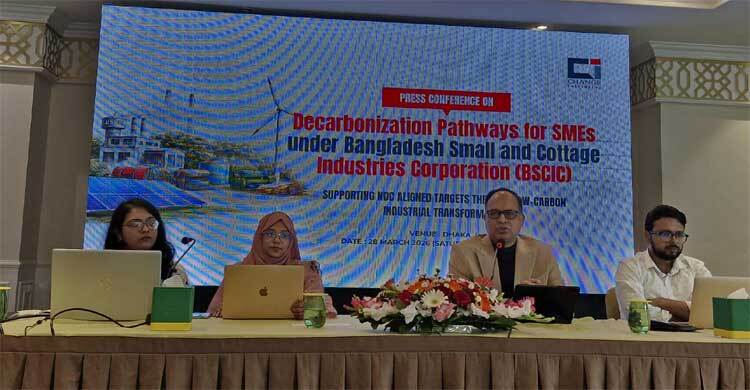
The findings were unveiled at a programme in Dhaka on Saturday, March 28, marking the release of a report on energy use, carbon emissions and decarbonisation potential in SME industries located in BSCIC industrial estates.
Presenting the study, lead researcher M Zakir Hossain Khan said Bangladesh currently depends on imports for about 95 per cent of its energy needs, making it highly vulnerable to global market volatility. “A $10 rise in oil prices increases monthly costs by around $80 million, which translates into $1 billion annually,” he said.
He warned that if high prices persist, the government may struggle to sustain subsidies, potentially forcing price adjustments that could lead to “de-industrialisation” in some sectors.
SMEs under threat
The study highlights that the small and medium enterprises (SMEs) sector, responsible for 70-80 per cent of employment and over 90 per cent of industrial units, would be the hardest hit.
A shock to this sector could ripple across the broader economy, including large industries like garments that heavily rely on SME supply chains.
Researchers cautioned that rising fuel costs could increase production expenses, reduce competitiveness and threaten jobs on a large scale.
Shift to renewable energy urged
However, the report frames the crisis as both a challenge and an opportunity. It urges Bangladesh to accelerate its transition to renewable energy, particularly solar power, to reduce dependency on fossil fuels.
Drawing examples from countries like China, India and Vietnam, the study notes that increased investment in renewables has helped make industrial sectors more resilient.
It estimates that planned interventions in SME industries could cut more than 14 million tonnes of carbon emissions annually, while also opening avenues for revenue through carbon credit markets.
Solar potential and cost savings
The report also points to significant potential in rooftop solar systems. Expanding decentralised solar use in SMEs could reduce operating costs by 30-50 per cent, improve environmental compliance and enhance export competitiveness in the long run.
Even utilising just 10 per cent of vacant land in BSCIC industrial areas could generate about 57 megawatts of solar power annually, with substantial reductions in carbon emissions. Doubling that utilisation could further boost energy output and environmental gains.
A critical moment
With Bangladesh targeting a reduction of nearly 70 million tonnes of carbon emissions by 2035 under its national climate commitments, researchers stress that energy transition in the industrial sector is now urgent.
“The current situation is both a crisis and an opportunity,” said Zakir Hossain Khan. “If we fail to act now, we risk missing a critical window to achieve energy security and sustainable growth.