
Jashore: Lick the bone in a restaurant, toss the roast at a wedding
In Jashore’s buzzing wedding halls and crowded eateries, a strange contradiction is playing out on plates. The same diners who wipe their plates clean in restaurants are the ones casually discarding untouched roast and biryani at weddings. This is Jashore’s great culinary irony—where thrift ends and showmanship begins.
According to local surveys, restaurants in Jashore waste just 2-3 per cent of their food, but at community events—weddings, birthdays, receptions—the waste rate soars to as high as 20 per cent. That’s up to ten times more waste when food is “free”—not because it costs nothing, but because someone else is paying.
Two faces of the diner
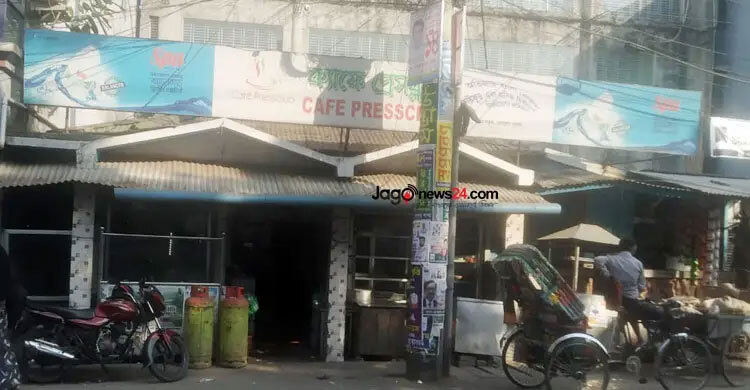
At Café Press Club, a small downtown eatery, waiter Anwar Hossain spoke with a mix of shame and frustration: “Some people come with their girlfriends, order four or five dishes, eat half, and leave the rest. The mindset is simple—if you have money, you think you can waste it.”
But what happens at banquets makes that look saintly.
Caterer Harun Or Rashid, who has served hundreds of weddings, laughs bitterly:
“In restaurants, people lick the fish bone clean. At weddings, they take one bite of a perfectly roasted leg and toss the rest like trash.”
The difference, he says, comes down to accountability.
Restaurant owner Delwar Hossain Dilshan, who runs both Pizzaology and The Grand Darbar Restaurant & Community Centre, puts it bluntly:
“When you pay for your meal, you order wisely. At a wedding, guests think, ‘It’s not my money.’ They load their plates, take selfies, and leave.”
Anatomy of banquet waste
Jashore, a vibrant district town with over 165 restaurants and 10 community centres, hosts thousands of events each month. Fridays and Saturdays are especially busy—when the aroma of roast chicken, biryani, and korma fills the air across the city.
But behind the glitter of chandeliers and the rhythm of wedding bands lies a quiet waste crisis.
Sociologist Hamidul Haque Shaheen from Jashore Government MM College breaks down the culture of excess:
• The “Honour” Mentality: Hosts feel compelled to over-serve, fearing that moderation looks miserly.
“If the plates aren’t overflowing, guests think you’re stingy,” says one venue manager.
• Rushed Service: To keep long queues moving, servers pile food onto plates indiscriminately.
• Guest Competition: Many take more than they can eat—not out of hunger, but pride. “It’s performative eating,” Shaheen says. “People want to be seen enjoying the feast.”
The result: up to one-fifth of the food ends up in trash bins—even when it’s perfectly edible. Enough to feed hundreds of hungry families every weekend.
Awareness rising but mindsets lag behind
There has been progress, especially in the restaurant scene.
Md Mizanur Rahman, director of Café Press Club, notes: “Five years ago, we used to throw out double what we do now. People are more conscious. Prices are higher. Waste hurts the pocket.”
Event caterers echo that sentiment. Rakibul Alam, Managing Director of the Jashore Municipal Community Centre, says professional caterers and portion controls have made some difference: “We serve measured portions now. But if guests keep taking more than they can eat, what can we do?”
Even with better systems, the cultural gap remains.
As Tarif Hossain, a venue manager, puts it: “We can fix serving habits, but not human nature. Guests think abundance equals respect.”
Beyond waste: A moral reckoning
To sociologist Hamidul Haque Shaheen, this is more than a logistical issue—it’s a moral one.
“Once, a special meal was reserved for Eid or Pahela Baishakh. Every grain was cherished. Now, abundance has made us numb. We equate throwing food away with prosperity.”
He pauses before asking a question that lingers: “If we remembered the street children sleeping outside these glittering tents, would we still toss that roast chicken?”
The way forward
Experts say the solutions aren’t complicated—just underused. They suggest simple steps like serving pre-portioned meals to prevent overloaded plates, setting up donation systems for untouched surplus food, running awareness campaigns that connect food waste to hunger, and introducing incentives for mindful hosts—such as community recognition for low-waste events.
One quiet organiser put it best: “We don’t need bigger spreads. We need smaller egos—and fuller hearts.”
The final bite
In Jashore, the food is plentiful—but gratitude is scarce.
When a paid meal demands respect and a free meal invites waste, the issue isn’t hunger—it’s humility. Every discarded roast leg or uneaten biryani isn’t just food wasted; it’s fuel, labour, and hope—thrown away while someone, somewhere, goes to bed hungry.
Because in the end, the difference between licking the bone and tossing the roast isn’t appetite.
It’s conscience.