
12-point stricter mandatory eco-guidelines for St Martin’s visitors

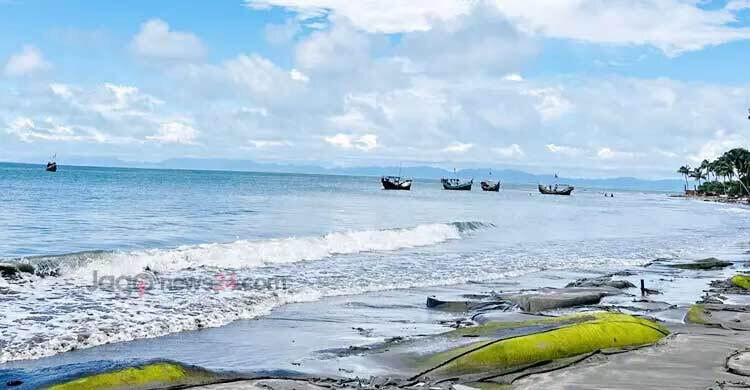
In a major move to protect the fragile ecosystem of Bangladesh’s only coral island, the government has issued 12 mandatory guidelines for all tourists visiting St Martin’s Island, effective immediately.
The new rules, notified on Wednesday by the Environment-2 Branch of the Ministry of Environment, Forest and Climate Change, are part of the “Environment, Ecology and Biodiversity Conservation and Eco-Friendly Tourism Guidelines of St. Martin’s Island, 2023”, framed under the Bangladesh Environment Conservation Act, 1995.
The measures aim to curb environmental degradation caused by unregulated tourism and ensure the island remains a model of sustainable, eco-friendly travel.
Key guidelines at a glance:
No unauthorised vessels – All boats and ships must obtain prior approval from both the Bangladesh Inland Water Transport Authority (BIWTA) and the Ministry of Environment.
Mandatory e-tickets – Tourists must purchase tickets online via the Bangladesh Tourism Board’s official portal. Each ticket will include a QR-coded travel pass; paper or non-QR tickets will be deemed invalid and fake.
Strict visitor control – Daily tourist numbers will be capped at 2,000, with travel schedules tightly regulated.
No overnight stays in November – Visitors may only travel during daylight hours; overnight stays are banned.
Overnight stays permitted only in December and January – The island will open for night stays during these two peak winter months.
Total closure in February – To allow ecological recovery, all tourist activity will be suspended throughout February.
Nighttime restrictions – No lighting, loud noise, or beach barbecues after sunset to protect wildlife and maintain tranquillity.
Zero tolerance for biodiversity harm – Entering protected forest zones, collecting or trading key fruits, and disturbing sea turtles, birds, corals, king crabs, snails, and oysters is strictly prohibited.
Ban on motorised beach vehicles – Motorcycles, sea bikes, and all motorised transport are banned on beaches.
Plastic crackdown – Polythene is banned, and single-use plastics—including chip packets, plastic straws, spoons, mini shampoo bottles, and 500ml/1000ml plastic water bottles—are strongly discouraged.
Bring your own bottle – Tourists are advised to carry reusable water flasks instead of buying plastic bottles.
Compliance is non-negotiable – Authorities will enforce these rules through on-site checks, QR code verification, and penalties for violations.
The guidelines were finalised during a high-level meeting on Tuesday chaired by Adviser Syeda Rizwana Hassan, with participation from the Ministry’s Secretary Dr Farhina Ahmed, officials from the Ministry of Aviation and Tourism, and representatives from the e-ticketing implementation agency.
“The goal is not to restrict tourism, but to redefine it responsibly,” said a ministry spokesperson. “St. Martin’s is a national treasure – its coral reefs, marine life, and unique ecology cannot withstand unchecked footfall.”
With these measures, the government hopes to transform St. Martin’s Island into a global benchmark for eco-tourism – where beauty meets sustainability, and every visitor becomes a guardian of nature.