
Strong ties with US agri-economy a major diplomatic win: Press secy

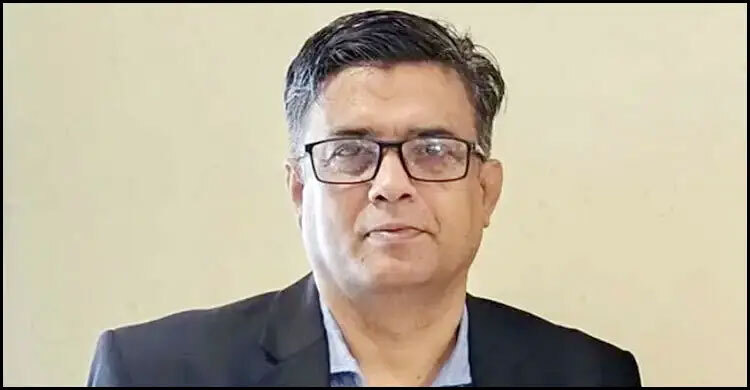
Press Secretary to the Chief Adviser, Shafiqul Alam, said one of the major accomplishments of our foreign policy over the past 15 months has been establishing strong relations with the US agricultural economy and the farm lobby.
“A few months after Dr. Khalilur Rahman was appointed High Representative on Rohingya Affairs (and later as National Security Adviser to the Chief Adviser), Professor Muhammad Yunus sent him to Washington DC in February to build ties with the new US administration,” Shafiqul wrote on his Facebook account on Sunday morning.
“Dr Khalil, a veteran diplomat and eminent economist who spent decades in senior roles at a UN organization specializing in global trade policy, quickly connected with key figures in the American agricultural sector. Bangladesh is a major importer of agricultural products, while the US is one of the world’s largest exporters of soybeans, wheat, cotton, and corn. Access to the US agricultural market is crucial for our food security, one of our key national security concerns. It also allows us to diversify import sources, reducing dependence on countries that might weaponize food supply,” he added.
Shafiqul noted, “Dr Khalil helped strengthen the bridge between Bangladeshi importers and the U.S. farm lobby — a relationship that played a crucial role in our recent successful tariff negotiations with Washington. His efforts as lead negotiator also contributed to securing competitive tariff rates, effectively safeguarding Bangladesh’s garment industry.”
He further stated, “Earlier this week, Bangladeshi importers pledged to purchase over one billion dollars’ worth of U.S. farm products — a win-win outcome for both countries and a milestone in Bangladesh-US relations. With China sourcing most of its soybeans from Brazil, Bangladesh can help fill the gap left by Chinese importers. This growing agricultural trade partnership is now at the center of the two nations’ diplomatic engagement — a vision championed by the Interim Government.”
“Looking ahead, Bangladesh will be able to negotiate even greater tariff reductions from the US as our trade gap shrinks. Our garment exporters already have the capacity to purchase the entirety of U.S. cotton exports. Once we establish ourselves as a key US trading partner, we will not need to rely on costly lobby groups in Washington — the US farm lobby, with its considerable political influence, can advocate for us with government entities,” he added.
Shafiqul concluded, “Japan, China, Southeast Asian nations, and Western European countries have prospered through robust trade with the United States. Now, Bangladesh too can follow that path. The Interim Government has laid the foundation for this promising new chapter in Bangladesh-U.S. relations.”