
SC declares interim govt’s swearing-in legal

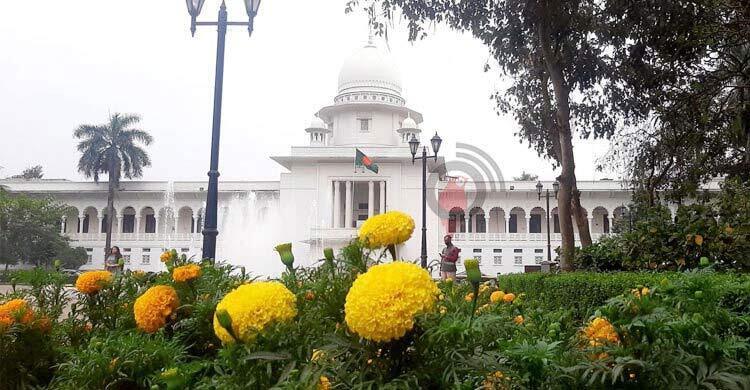
The Appellate Division of the Supreme Court has upheld the High Court’s verdict, declaring legal the formation and swearing-in of the interim government led by Professor Dr Muhammad Yunus. At the same time, the court dismissed the leave-to-appeal petition filed against the High Court’s ruling, according to lawyers.
A full seven-member regular appellate bench, headed by Chief Justice Dr Syed Refaat Ahmed, issued the order on Thursday (4 December).
Earlier, on Wednesday, the Appellate Division had scheduled Thursday for the order regarding the leave-to-appeal petition filed against the dismissal of the writ challenging the reference and opinion-seeking process sent to the Supreme Court for forming and swearing-in the interim government.
Senior lawyer Mohammad Mohsin Rashid appeared on behalf of the petitioner, while Senior Lawyer Dr Sharif Bhuiya represented writ intervener Firoz Ahmed, accompanied by Senior Lawyers Barrister Ruhul Quddus Kajol, Chairman of the Executive Committee of the Bangladesh Bar Council, and Mohammad Shishir Monir. On the government side, Attorney General Md Asaduzzaman and Additional Attorney General Barrister Anik R Haque represented the state.
Amid a mass uprising, the Awami League government fell on 5 August 2024. Subsequently, the President sought the Supreme Court’s opinion on forming an interim government under Article 106 of the Constitution. Acting on the Appellate Division’s advisory, the interim government was formed under Dr Yunus’s leadership, and the advisers took their oaths.
In December last year, lawyer Mohammad Mohsin Rashid filed a petition in the High Court challenging this process. The petition argued that an interim or caretaker government is not mentioned in the Constitution, and that the Supreme Court’s rules were not followed in seeking the reference under Article 106.
After hearing the petition, a High Court bench comprising Justice Fatema Nazib and Justice Shikdar Mahmudur Razir rejected it. The lawyer later filed a leave-to-appeal petition against the dismissal.
The High Court had observed that, in an exceptional situation, the President sought the Supreme Court’s advisory under Article 106 and acted accordingly. The process, therefore, was legally documented and reflected the people’s will.