
On Pahela Baishakh, Tarique to launch Farmer’s Card

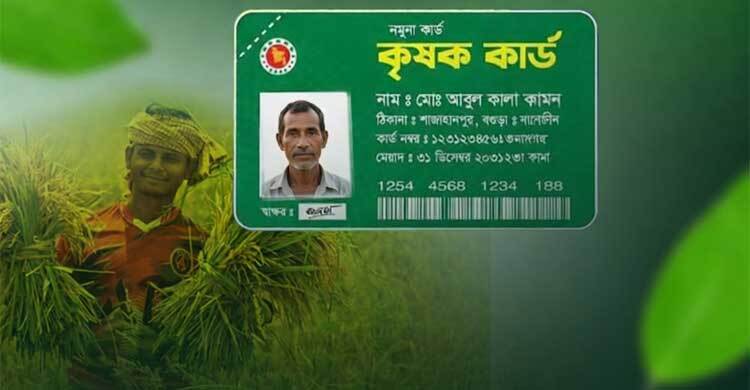
The first sunrise of the Bengali New Year will bring more than festive colours and traditional celebrations. It will also mark the beginning of a new government initiative aimed directly at the people who till the country’s fields.
Prime Minister Tarique Rahman will launch the nationwide Farmer’s Card distribution programme on the first day of Baishakh, the opening day of the Bengali year 1443.
The decision was finalised at a meeting held on Sunday morning at the Prime Minister’s parliament office with Tarique Rahman in the chair.
Prime Minister’s Additional Press Secretary Atiqur Rahman Rumon confirmed the development, saying the government chose the symbolic day of the Bengali New Year to begin the programme as a gesture of commitment to the country’s farmers.
A New Year initiative for farmers
The Farmer’s Card programme is one of the key pledges made by the ruling Bangladesh Nationalist Party during the national election campaign.
Officials say the card will serve as a unified identification and service platform for farmers, enabling them to access government incentives, subsidies, training programmes and other forms of agricultural support more easily.
The government hopes the initiative will create a structured system through which farmers can receive benefits directly, reducing bureaucratic delays and ensuring that assistance reaches the intended recipients.
Agriculture sector experts say such a system could also help authorities build a more accurate database of farmers, which in turn would allow better planning for irrigation, fertiliser distribution, crop support programmes and disaster assistance.
Senior officials discuss rollout
The meeting that finalised the launch plan brought together several senior ministers and advisers responsible for agriculture, finance and rural development.
Among those present were Agriculture Minister Amin Ur Rashid, State Minister Sultan Salahuddin Tuku, State Minister for Local Government, Cooperatives and Rural Development Mir Shahe Alam, the prime minister’s finance and planning adviser Rashed Al Mahmud Titumir, and Post, Telecommunication and Information Technology Adviser Rehan Asif Asad.
Senior officials discussed the framework for distributing the cards across the country and the institutions that will coordinate the programme.
A broader push for rural support
The Farmer’s Card programme is expected to become a central part of the government’s broader effort to strengthen rural livelihoods and revitalise the agricultural economy.
Bangladesh’s farming community remains the backbone of the country’s food security and rural employment. Millions of small and marginal farmers depend on seasonal harvests, often facing challenges such as fluctuating market prices, climate risks and limited access to financial services.
Officials say the card could help streamline government support schemes and ensure that farmers receive benefits more efficiently.
From family support to farmer support
The initiative also follows the government’s recent launch of the Family Card programme, which aims to provide financial assistance to women and vulnerable households.
Speaking at the inauguration of that programme earlier in Dhaka, Prime Minister Tarique Rahman had hinted that a similar initiative for farmers was already underway.
He said the government was working to fulfil its election pledges step by step, emphasising that support for farmers would remain a central priority.
The administration has already announced the waiver of agricultural loans of up to Tk 10,000, including interest, in an effort to reduce financial pressure on small farmers.
Symbolism of the New Year
Launching the Farmer’s Card programme on Pahela Baishakh carries symbolic meaning. The festival traditionally marks renewal, hope and fresh beginnings in Bengali culture.
For the government, the choice of date reflects a message that the new year should begin with renewed support for those who cultivate the land.
If implemented successfully, officials believe the Farmer’s Card could become one of the most significant rural support initiatives of the current administration, connecting millions of farmers with government services and strengthening the foundation of Bangladesh’s agricultural economy.
With inputs from BSS