
Why Khaleda Zia was an ‘Uncompromising Leader’

Published: 30 December 2025, 10:32 AM
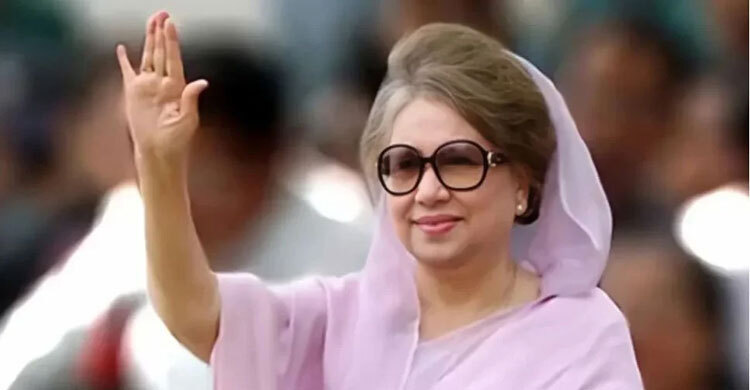
For decades, one adjective has been repeatedly invoked in Bangladeshi politics: uncompromising. No political figure is more closely associated with the term than BNP chairperson and former prime minister Khaleda Zia.
A three-time prime minister, the central face of opposition politics for more than two decades, and a leader who remained resolute both in power and in opposition for over 30 years, Khaleda Zia represents a defining chapter in Bangladesh’s democratic journey.
Observations by domestic and international media, human rights organisations, and political analysts consistently point to one trait in her political life: she rarely retreated from her stated positions. The question, then, is what shaped her reputation for being uncompromising.
Return to parliamentary democracy
After years of military rule, Bangladesh held its first democratic election in 1991. The BNP won a majority, and Khaleda Zia became the country’s first democratically elected female prime minister.
At the time, she had the option to retain the presidential system and consolidate power in the executive. Instead, she chose to restore the parliamentary system, reducing the authority of the presidency and strengthening democratic institutions. Observers view this decision—relinquishing concentrated power rather than accumulating it—as the first major demonstration of her uncompromising political stance.
A firm nationalist position
When she returned to power in 2001, Khaleda Zia maintained a nationalist foreign policy amid increasingly complex regional and global dynamics. Even as Bangladesh navigated relations with India, China, and the United States, she resisted fundamental shifts in the government’s strategic posture.
Supporters describe this consistency as principle-driven; critics saw it as rigidity. Either way, her position remained unchanged.
Refusal of exile
The military-backed emergency of 2007 marked one of the most critical periods of her political life. Amid widespread arrests and uncertainty, Khaleda Zia was reportedly offered the option of leaving the country. She refused.
Political analysts argue that rejecting exile—despite an uncertain future—was among the strongest expressions of her uncompromising character.
No political deal in prison
In 2018, Khaleda Zia was imprisoned in a corruption case. Even during incarceration and amid deteriorating health, she declined political compromise. Advisers from various quarters urged her to step back from politics in exchange for improved medical treatment, including the possibility of going abroad.
She did not accept the offer. Observers note that compromise could have eased her personal suffering. Her refusal, however, reinforced her image as a leader unwilling to trade political positions for personal relief.
Human rights organisations later documented prolonged restrictions on her movement, treatment under surveillance, and limits on political communication—further underlining the pressures she endured without concession.
Balancing leadership within the BNP
Analysts also highlight her role in maintaining internal balance within the BNP. For years, Khaleda Zia served as the bridge between the party’s London-based acting leadership under Tarique Rahman and its organisational structure at home. Even as her physical presence diminished, the party’s political identity remained shaped by her uncompromising stance.
To supporters, Khaleda Zia was not merely a politician but a symbol of endurance—of refusing to bow under pressure and sustaining a long political struggle.
Senior vice-president of Chhatra Dal Abu Afsan Yahia says she is regarded as uncompromising because “she never compromised at the cost of the country and the nation.”
Juba Dal general secretary Nurul Islam Nayan describes her life as one of total dedication to “country, motherland, and people.”
Swechchhasebak Dal president SM Jilani says her refusal to compromise despite imprisonment “has established her as an uncompromising leader in democratic politics.”
BNP co-organising secretary Md Selimuzzaman Selim echoes the sentiment, saying she “never bargained with power at the expense of the people.”
Standing Committee member Begum Selima Rahman calls her decades-long struggle—from the anti-dictatorship movement of the 1990s to the present—a “part of political history.”
International trade and political analyst Mobashwar Hossain Tutul argues that Khaleda Zia’s adherence to Ziaur Rahman’s ideals of nationalism and multiparty democracy, combined with what he calls her “steel-hard determination,” distinguishes her from other political leaders.
“She never deviated from the decisions and commitments she made during moments of crisis,” he says. “Neither fear, greed, nor repression could shake her position. That is her political charisma.”