
Muscle-building supplement Creatine boosts brainpower too

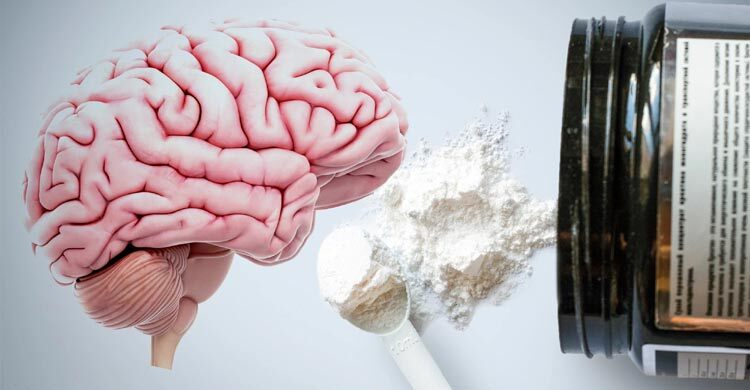
Creatine, long a staple for bodybuilders seeking to enhance endurance and muscle growth, is now capturing attention for its potential to sharpen cognition and uplift mood. Beyond its gym reputation, this naturally occurring compound is revealing a broader role in health, from combating fatigue to possibly easing symptoms of Alzheimer’s and depression.
Creatine is produced in the liver, kidneys, and pancreas and stored in muscles and the brain. While the body synthesizes some creatine, it often falls short of our needs, making dietary sources like meat and oily fish crucial. As a key player in cellular energy management, creatine is sparking interest for its cognitive and health benefits.
Emerging research suggests creatine supplements may improve memory, reduce post-viral fatigue, and enhance cognitive performance under stress. Scientists are also exploring its potential to alleviate Alzheimer’s symptoms and boost mental health, particularly for those with low dietary creatine intake, such as vegans.
The benefits of creatine supplementation were first uncovered in the 1970s by Professor Roger Harris at Aberystwyth University. Initially celebrated for enhancing physical performance, creatine’s cognitive potential has gained traction over the past two decades. Its role in neurogenesis—the formation of new brain neurons—has made it a focal point for studies on brain function.
Ali Gordjinejad, a research scientist at Forschungszentrum Jülich in Germany, challenged the assumption that creatine’s cognitive benefits require long-term use. In a study, he gave 15 participants either a single 35g dose of creatine or a placebo at 6 p.m., testing their cognitive performance—reaction times and short-term memory—after a night of sleep deprivation. The creatine group showed significantly faster processing speeds, likely because creatine acts as an energy reservoir, helping neurons cope with stress. However, Gordjinejad cautions that such a high dose—10 times the recommended daily amount—could cause stomach discomfort or pose risks for those with kidney issues.
Gordjinejad is planning further trials with smaller doses, envisioning creatine as a tool for emergency workers or students facing acute sleep deprivation. Yet, not all research aligns. A 2024 review by Professor Emeritus Terry McMorris at the University of Chichester found inconsistent evidence for creatine’s cognitive benefits, citing varied supplement regimens and outdated testing methods. “Some tests from the 1930s are too easy to push cognitive limits,” McMorris notes, but he believes the field merits further exploration.
Creatine’s potential extends beyond brainpower. Animal studies suggest it may slow tumor growth, while human trials link higher dietary creatine to a 14% lower cancer risk in people over 52. In mental health, a study combining creatine with cognitive behavioral therapy (CBT) showed greater improvement in depression symptoms over eight weeks compared to CBT alone. “Creatine fuels energy production in the brain, influencing neurotransmitters and mood,” explains Douglas Kalman, adjunct professor at Florida International University.
Vegans, who often have lower creatine levels due to diet, may particularly benefit. Research indicates they face a higher depression risk, potentially linked to reduced creatine stores. Meanwhile, a 2023 study by Sergej Ostojic at the University of Novi Sad found that 4g daily creatine supplements reduced long Covid symptoms, such as brain fog, in 19 patients over six months. “The brain depletes creatine under stress like long Covid,” Ostojic says, noting that women, who have different creatine metabolism and higher long Covid prevalence, may respond better to supplementation.
Creatine’s role is now being studied across all life stages. Stacey Ellery, a research fellow at Monash University, highlights its importance in reproduction, from sperm motility to fetal growth. Creatine may protect against oxygen deprivation during birth, acting as an energy buffer for critical tissues like the placenta. In pre-eclampsia, the placenta adapts to increase creatine levels, though human safety studies on prenatal supplementation are pending. Ellery advises consulting doctors before using supplements during pregnancy.
For infants, Ostojic’s preliminary calculations suggest breastfed babies need 7–8.4 mg of creatine daily, though more data is needed. In older adults, creatine may combat sarcopenia, an age-related loss of muscle mass, helping maintain strength and vitality.
While generally safe, creatine can cause side effects like water retention, muscle cramps, or nausea, and is unsuitable for those with kidney or liver issues. Rare cases of severe adverse effects, such as liver failure, have been reported. A recent study found that 60% of women on Western diets fall short of the recommended 13 mg/kg body mass daily creatine intake, with nearly 20% of pregnant women consuming none. Adults may need about 1g daily, and low intake is linked to higher risks of depression, cancer, and cardiometabolic issues.
Though not classified as an essential nutrient, some researchers, including Ostojic, argue creatine is “semi-essential” since the body’s synthesis is often insufficient. Vegans, in particular, may struggle to meet needs without supplementation.
Creatine is not a cure-all, but its potential to enhance brain function, mental health, and physical resilience is undeniable. As research progresses, scientists like Ellery hope to translate findings into public health guidelines, identifying who stands to gain most from supplementation. For now, creatine remains a versatile compound, powering not just muscles but also minds, with the promise of brighter, healthier futures.