
Fragile ceasefire, rising stakes: Iran-US talks set to open in Pakistan

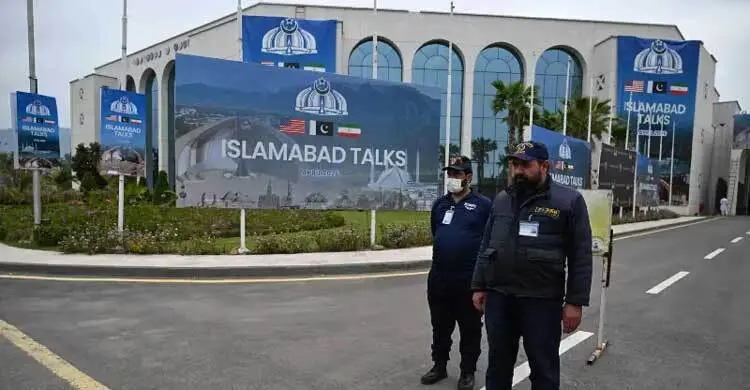
A critical round of diplomacy is set to begin in Islamabad this weekend, as Iranian and US negotiators gather for talks that could shape the future of a volatile regional conflict already impacting global energy markets.
Iran’s delegation, led by Parliament Speaker Mohammad Bagher Qalibaf, arrived in Pakistan late Friday, accompanied by senior officials from political, military, and economic sectors. The United States delegation will be headed by Vice President JD Vance, underscoring the high stakes of the discussions.
While both sides have expressed willingness to engage, expectations remain cautious. Vance said he looks forward to the talks but warned that Washington would respond firmly if Tehran fails to negotiate in good faith.
US President Donald Trump struck a confident tone ahead of the talks, suggesting that Iran is under pressure. He also reiterated his administration’s determination to reopen the Strait of Hormuz, a vital global oil route currently disrupted by the conflict.
Preconditions threaten early deadlock
Even before discussions begin, Iran has laid out firm preconditions. Qalibaf has insisted that a ceasefire in Lebanon and the release of frozen Iranian assets must be implemented before any meaningful negotiations can proceed.
This stance highlights the complex web of regional tensions surrounding the talks. The conflict is no longer confined to Iran and the United States but is deeply linked to ongoing hostilities involving Israel and Hezbollah in Lebanon.
Iran’s First Vice President Mohammad Reza Aref publicly backed the delegation, framing the talks as part of a broader national effort following weeks of military confrontation.
Ceasefire holds – but barely
Although a two-week ceasefire has been announced, conditions on the ground remain unstable. Accusations continue to surface over violations, including alleged drone attacks by Iranian-linked forces – claims that Tehran has denied.
The Strait of Hormuz remains a major flashpoint. Shipping traffic has dropped sharply, with only a fraction of vessels passing through compared to pre-conflict levels, raising concerns about global oil supply disruptions.
Meanwhile, the United States is reinforcing its military preparedness. Defence giant Lockheed Martin has secured a multi-billion-dollar contract to expand production of Patriot missile systems, underscoring ongoing military tensions even as diplomacy unfolds.
Lebanon factor adds complexity
The situation in Lebanon is further complicating the diplomatic landscape. President Joseph Aoun has confirmed that Lebanese officials will meet Israeli counterparts in Washington next week to discuss de-escalation efforts.
However, Israel has clarified that these talks will not include a ceasefire agreement with Hezbollah, raising doubts about how much progress can be achieved.
The humanitarian toll continues to mount, with thousands killed and more than a million displaced in Lebanon, intensifying pressure on all parties to find a resolution.
A decisive moment
Pakistan, acting as host, is positioning itself as a key facilitator. Prime Minister Shehbaz Sharif has described the upcoming talks as a “make-or-break moment,” urging both sides to seize the opportunity for lasting peace.
Behind the scenes, global powers are also stepping in. The United Kingdom is preparing further consultations aimed at restoring stability in the Strait of Hormuz and ensuring the free flow of oil shipments.
Yet, with competing demands, fragile ceasefire conditions, and multiple overlapping conflicts, the talks face significant hurdles.
As negotiations begin in Islamabad, the outcome remains uncertain—but the stakes could hardly be higher.
Source: AP/UNB