
Farooki: Abrar’s Independence Award should be in ‘Liberation War’ category

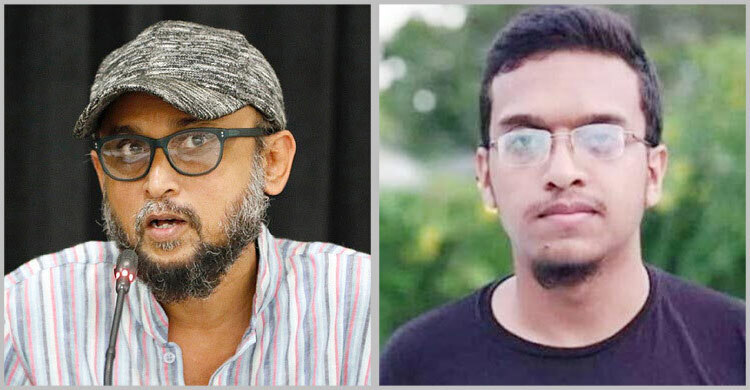
Abrar Fahad, the BUET student beaten to death by banned Chhatra League activists, is set to receive the Swadhinata Padak posthumously—a move stirring both applause and skepticism. On Monday, March 3, Local Government Adviser Asif Mahmud Sajib Bhuiyan announced it via a Facebook post, igniting a firestorm of debate. Enter Cultural Affairs Adviser Mostofa Sarwar Farooki, who’s not just defending the honour—he’s redefining it.
Farooki took to Facebook at 7:15pm that same day, tossing fuel on the discussion. “This year’s Swadhinata Padak will be as striking as the Ekushey Padak,” he wrote, teasing a soon-to-be-revealed list of “extraordinary names.” But his real salvo? Abrar’s category. “People cheer, some scoff—‘What’s the basis?’ they ask. I say: ‘Liberation War.’ That’s where he belongs.”
Why? Farooki’s logic cuts deep: “Independence springs from the Liberation War, and its heartbeat is sovereignty. Abrar Fahad was its frontline warrior—a symbol. Can’t feel his power? Rewind to July, press your ear to the youth’s chest. That breath? It’s Abrar.”
Abrar’s death in 2019 wasn’t just a tragedy—it was a spark. Tortured in a BUET dorm over a social media post, his killing fueled a student uprising that echoed the nation’s fight for justice. Now, five years on, the interim government’s nod to award him the Swadhinata Padak—Bangladesh’s highest civilian honor—has split opinions. Supporters see a martyr; skeptics question the fit.
Farooki’s post sidesteps the doubters’ quibbles—“Wait for the list,” he teases journalists chasing clarity. Instead, he frames Abrar as more than a victim: a torchbearer of the 1971 spirit. “Sovereignty’s not abstract—it’s Abrar’s defiance,” he insists, tying a student’s sacrifice to the nation’s founding struggle.
This isn’t just an award—it’s a statement. Naming Abrar alongside Liberation War icons could cement his legacy as a modern hero, but it’s a gamble. Critics mutter: “Independence for a student death?” Farooki’s answer is poetic yet fierce—Abrar’s fight wasn’t small; it was seismic, a ripple from July’s unrest still shaking the ground.
The full Swadhinata Padak list looms, promising more fireworks. Will Abrar’s ‘Liberation War’ tag stick? Farooki’s betting it will—and that Bangladesh won’t forget the chest that breathed defiance. For now, the debate rages: hero or hype? Abrar’s ghost might just settle it.