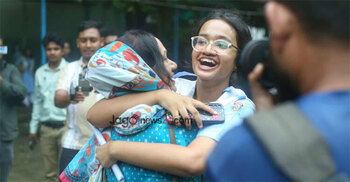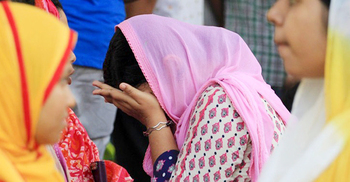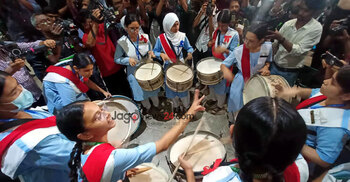
‘None got grace marks, it’s the actual result’

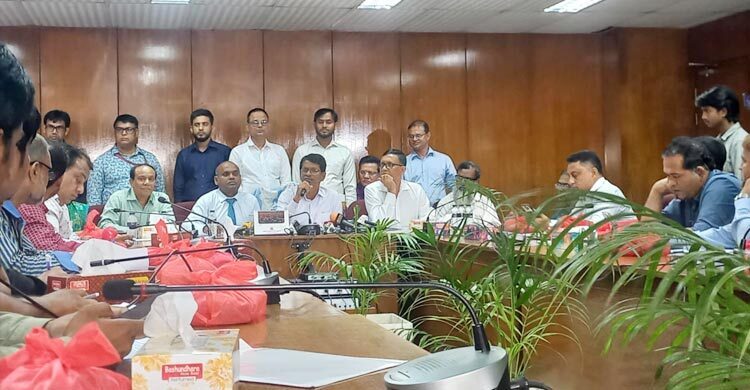
In a bold stand for fairness, Professor Dr Khandokar Ehsanul Kabir, Chairman of the Dhaka Education Board and President of the Inter-Education Board Coordination Committee, declared that the 2025 SSC and equivalent examination results reflect “true merit” with no grace or extra marks awarded.
The announcement, made during a press briefing at the Dhaka Board conference room on Thursday afternoon, signals a significant shift toward transparency in Bangladesh’s education system, addressing longstanding concerns about inflated grades and political pressures.
“This is the real result,” Kabir asserted, emphasising that examiners were instructed to evaluate answer sheets strictly on merit, free from external influence. “We faced no pressure from any quarters. We told examiners to mark exactly what students wrote, and the results were processed accurately through our systems.”
Kabir sidestepped questions about previous years’ grading practices, saying, “We won’t dwell on the past. What matters is that these results are authentic, reflecting what students earned.”
He clarified that no liberal policies were adopted, and no special marks were added to boost grades, ensuring the published results mirror the actual performance in students’ answer sheets.
The briefing also addressed regional disparities, particularly the lower pass rate in the Barisal Board. Kabir attributed this to geographical challenges, noting, “Barishal has marginal areas with rivers, canals and waterbodies, making educational management tougher. Urban centres like Dhaka benefit from traditional institutions that prioritize results, while rural upazilas face structural gaps.”
Data from the Education Ministry shows a 4.2% lower pass rate in rural areas compared to divisional cities, a gap analysts link to uneven access to quality teaching and infrastructure.