
Nurse-rich, patient-poor The curious case of Khulna hospital when others struggle to serve patients

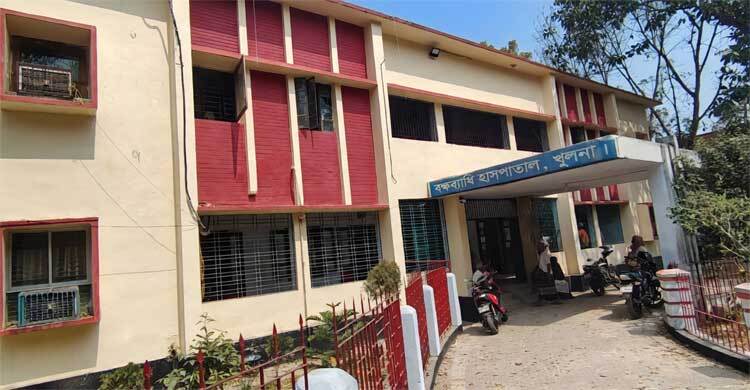
At a time when Bangladesh’s public hospitals are often defined by packed wards, long queues and overworked staff, a different reality unfolds inside the Khulna Divisional Chest Disease Hospital.
Set in Mirerdanga under Khan Jahan Ali Police Station, the 100-bed facility presents a striking contrast: more nurses than patients.
On paper, the hospital has 93 sanctioned nursing posts. In practice, only 26 patients are currently admitted. Even after accounting for leave and training, on-duty nurses at times outnumber those receiving care, according to hospital insiders.
The imbalance has quietly turned the hospital into a sought-after posting. With fewer critical cases and a comparatively lighter workload, some nurses have managed to stay here for years, sidestepping the frequent transfers typical in the public health system.
But this unusual calm has also triggered uncomfortable questions.
Critics argue that such a skewed staff-to-patient ratio points to poor allocation of limited healthcare resources. Some allege that the lighter workload leaves room for idleness during duty hours.
Hospital authorities reject that narrative.
Farida Yasmin, acting deputy nursing superintendent, insists the picture is being oversimplified. Nursing, she says, extends far beyond bedside care.
From ECG procedures and MDR-related responsibilities to operation theatre support, documentation and report preparation, nurses remain engaged throughout their shifts. The hospital runs on a three-shift system, with staff rotating through morning, evening and overnight duties while also covering emergencies across multiple wards.
“In four critical wards alone, eight to ten nurses are deployed. They also handle emergency responsibilities during key shifts,” she said.
Yasmin also pointed to a less visible strain: a shortage of doctors.
With limited physician availability, nurses often shoulder additional responsibilities, managing patients around the clock in situations where doctors are not immediately present.
“There is no scope for idleness,” she said.
Hospital data shows that of the 84 nurses currently in service, many are not available for regular duty at any given time. Seventeen are on leave, nine are pursuing BSc nursing training, while others are on maternity leave, quarantine or deputation.
Even so, the optics remain hard to ignore.
Beyond staffing, deeper structural issues persist. Training opportunities for nurses are limited compared to other government facilities, potentially affecting long-term skill development. The post of nursing superintendent has remained vacant for years, leaving leadership in acting hands.
Then there is the question of basic living conditions.
The hospital’s staff quarters have long been abandoned, forcing nurses to commute from distant areas. For many, reaching the hospital on time becomes a daily challenge.
What emerges is a layered reality. On the surface, an apparent surplus of nurses. Beneath it, gaps in planning, uneven resource distribution, and systemic constraints that shape how healthcare actually functions.
The quiet corridors of this Khulna hospital have now reignited a broader debate: in a system where scarcity is the norm, how does such an imbalance persist — and what does it reveal about the way resources are managed?
Source: UNB